Facelift
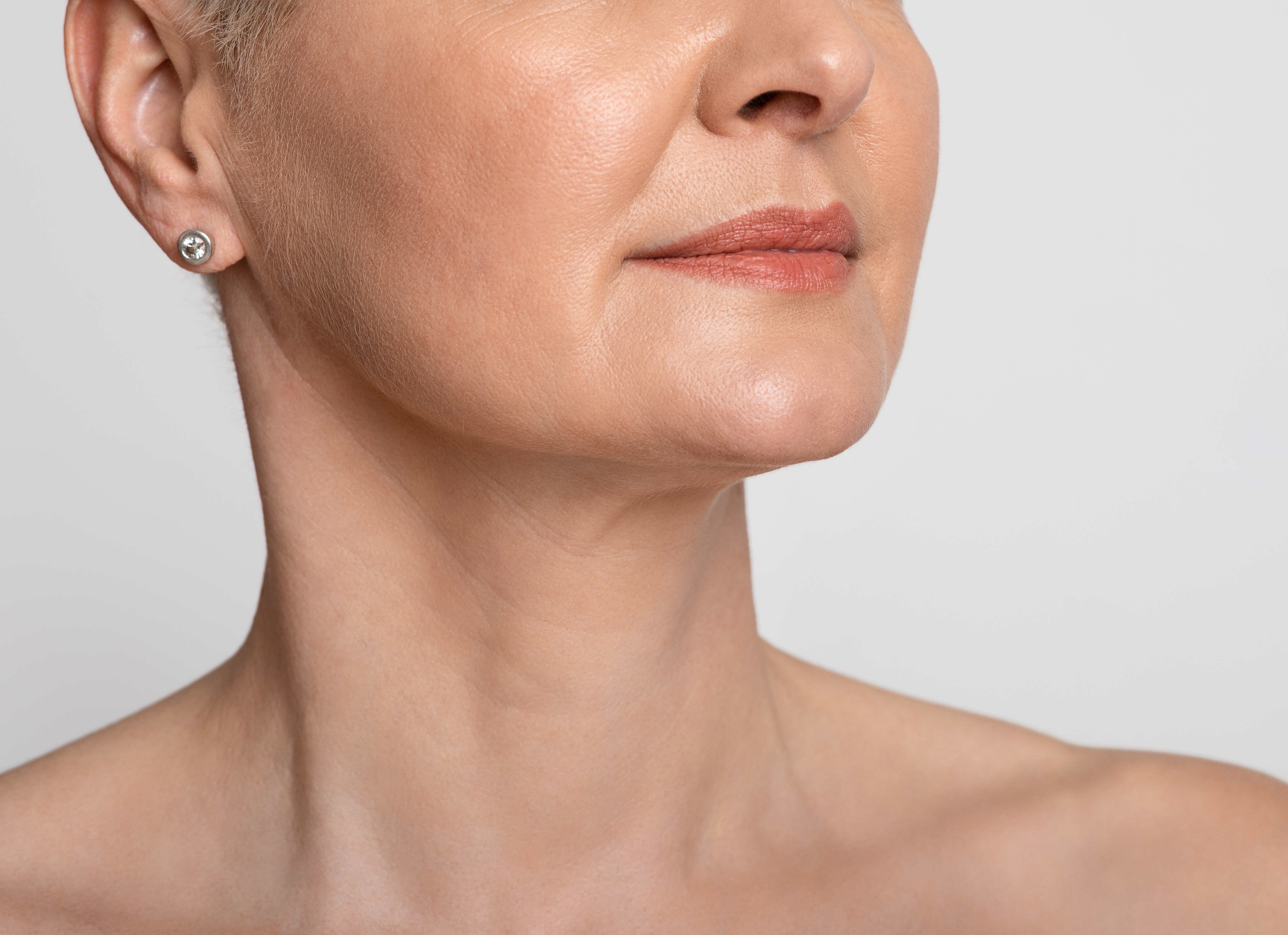
Reduce sagging skin and restore the contours of your face and neck for a fresher, more youthful appearance.
Good to know
- Anesthesia: Procedure under general anesthesia
- Duration: 2.5–3.5 hours
- Recovery: 10–14 days
- Price: starting at €2,500
About a Facelift
| A facelift lifts sagging skin and the underlying supporting tissue, restoring the contours of your face and neck. Depending on the degree of skin sagging, your skin type, and your preferences, various techniques are available. During the consultation, the plastic surgeon will work with you to determine which facelift best aligns with your desired outcome. |
- A facelift or MACS lift costs €5,500. Other variants, such as an S-lift, mid-facelift or combined neck and facelift, have a different rate. During a free, no-obligation consultation, the plastic surgeon discusses which treatment best suits your situation and you receive a transparent cost overview.
- An S-lift is the least invasive type of facelift: only the skin is tightened, and the underlying supporting tissue is left untouched. A facelift or MACS lift also addresses the underlying tissue (and possibly the neck), for a longer-lasting result.
- There are various types of facelift, including the S-lift, mid-facelift, MACS lift and extended facelift. They differ in the area and the tissues that are lifted. In an extended facelift, for example, the cheek, the underlying supporting tissue and the neck are treated. The plastic surgeon will advise which technique best suits the degree of laxity and your wishes. Here you can find more information: what types of facelifts are there?
- At Boerhaave, facelifts are performed by experienced plastic surgeons with an eye for safety, quality and a natural result. You can count on personal guidance and extensive aftercare, so that you know where you stand throughout the entire treatment process.
Here's how the treatment works
Here you will find all the important information about this treatment, from the consultation and the treatment itself to follow-up care, the results, and potential risks.
Different Options
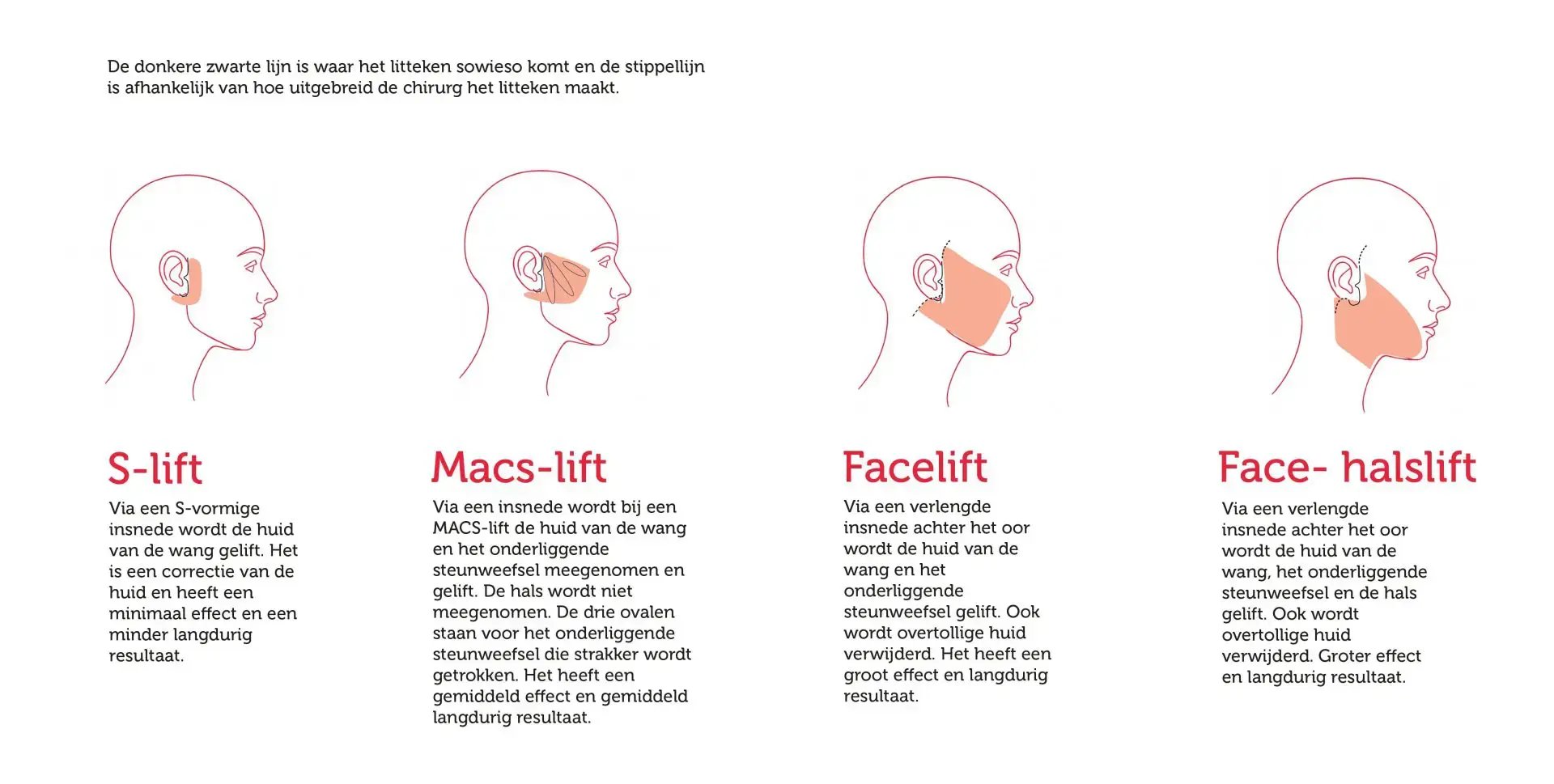
There are three variations of the facelift, which differ in procedure and cost. The degree of sagging, skin type, and your age all play a role in determining which treatment will yield the best results for you.
With an S-lift, only the skin on your cheeks is lifted; this is also known as a mini-lift. The underlying supportive tissue is not lifted. This is done with a MACS lift, however, which lifts both the skin on your cheeks and the underlying supportive tissue. The most comprehensive option is the facelift, which lifts your cheeks, the underlying supportive tissue, and your neck.
Would you like more information about the different types and what to expect from them? Read more here.
Plastic Surgeon
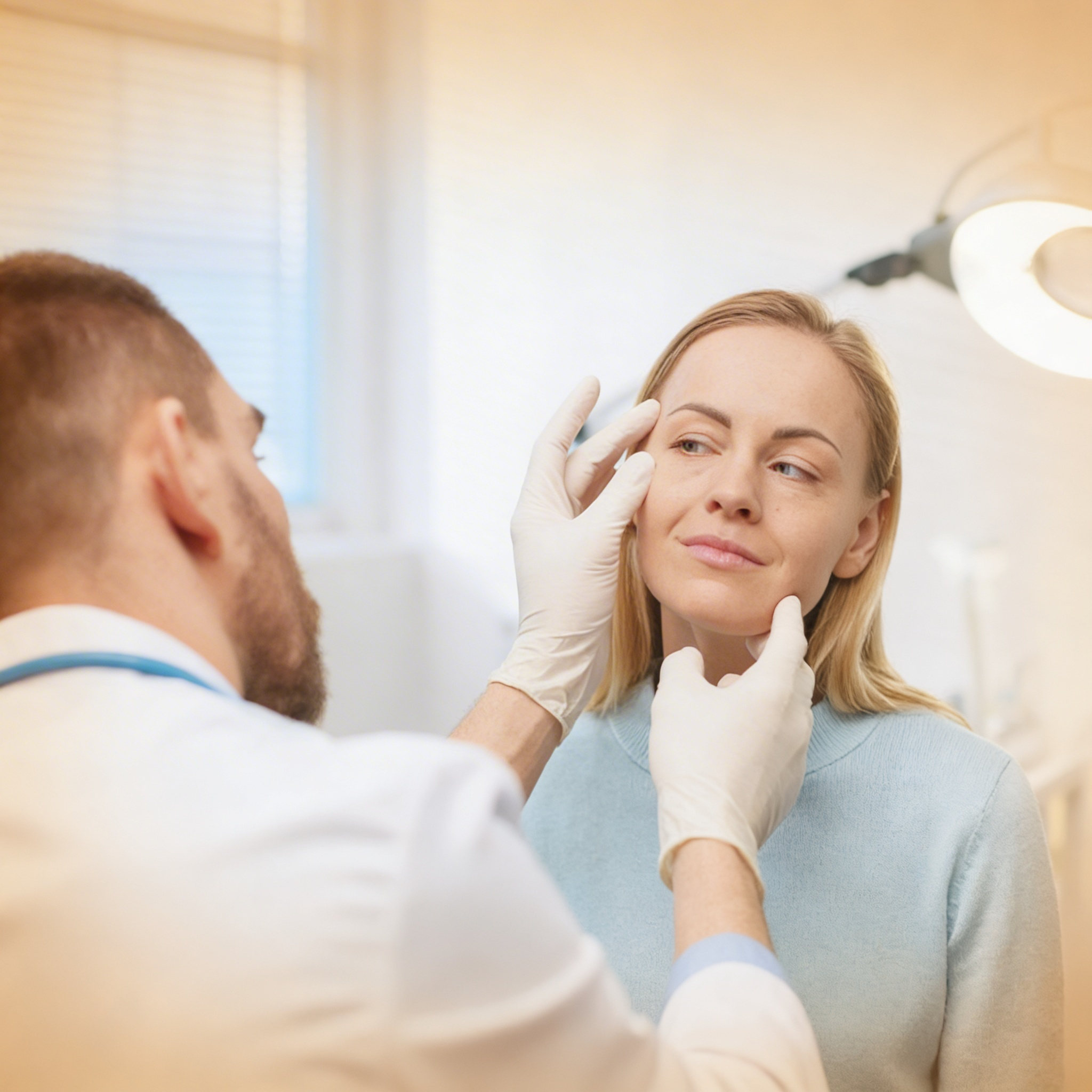
During your consultation, you can explain what bothers you most about your face and what you would like to change. The plastic surgeon—who will also be performing your procedure—will then examine your face. This allows us to determine which procedure and surgical technique are most suitable for you and will yield the best results.At the end, everything will be summarized in a treatment plan, and you’ll receive an estimate of the costs. This will allow you to make an informed decision. You will then also have a consultation with your counselor. You will be informed about the general procedures that need to be arranged regarding the surgery.
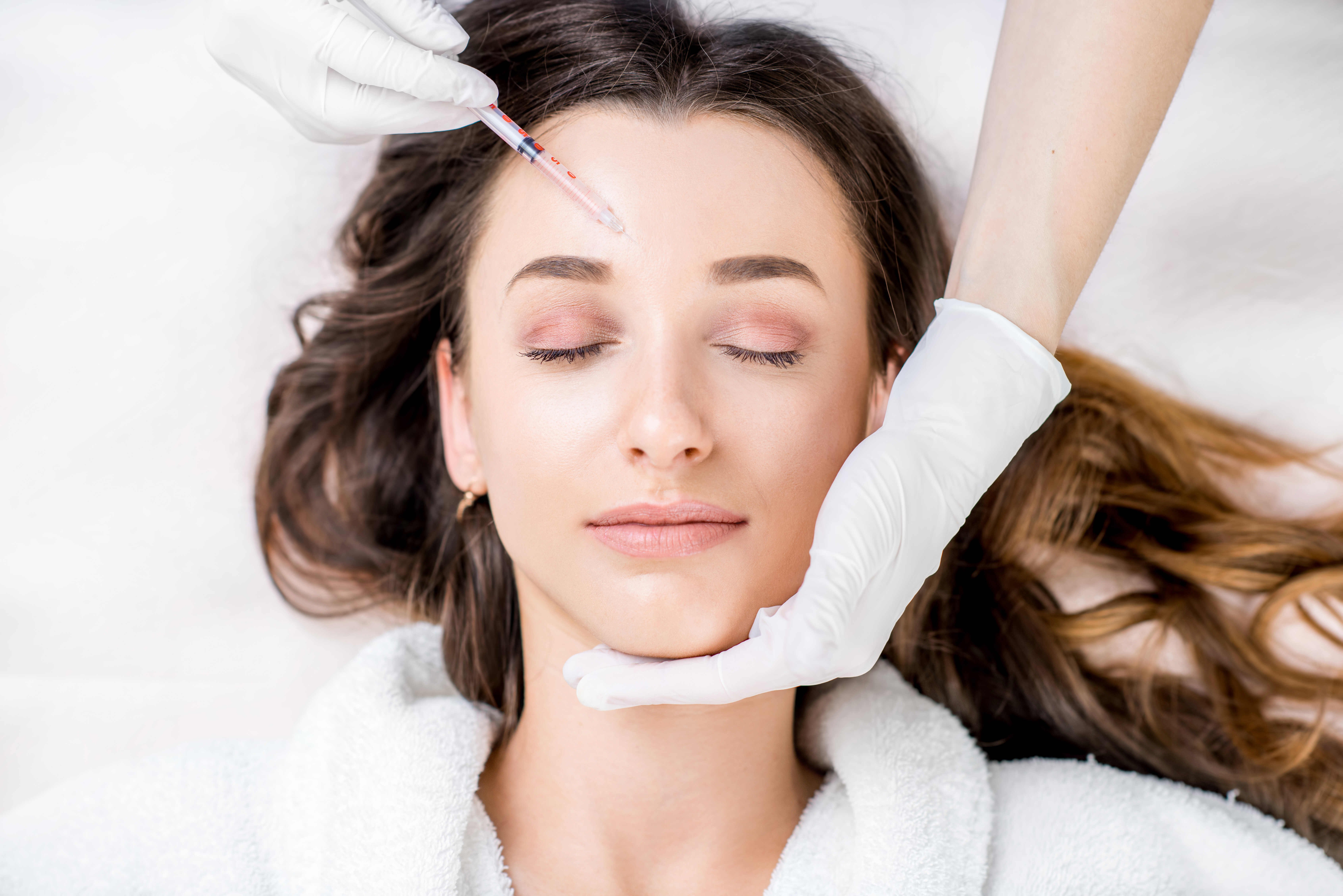
A facelift is always performed under general anesthesia. Before the anesthesia takes effect, the plastic surgeon will mark the area where the procedure will be performed so that you know what to expect. How the procedure proceeds from that point on depends on the type of treatment.
In the case of an S-lift, an incision is made from your temple down toward your ear. The excess skin is pulled toward your ear and then removed. In a MACS lift, the subcutaneous tissue layer is also detached from the skin and shortened by folding it in half and suturing it to the underlying layers. Finally, with a facelift, the incision is extended further behind your ear so that the excess skin on your neck can also be removed.
A skin adhesive (Tisseel) is used for suturing, which offers several advantages.
Some examples include:
-
The sutures are subjected to less tension.
-
The incisions heal more smoothly.
-
It promotes good hemostasis, or the stopping of minor bleeding.
-
Less tissue fluid (edema) accumulates, leading to better recovery and faster final results.
-
- Because the surgery is performed under general anesthesia, you will not be able to go home the same day. If you are feeling well and the plastic surgeon deems it safe, you may go home the next day under supervision.
During that first week, it’s best to avoid washing the treated area.
As for post-operative pain, you may experience a mild pulling sensation, and the area around your ears may be tender. This is because the skin and tissue are under slight tension. This will gradually subside after a few days.
Recovery
During recovery, don’t be alarmed if the treated area is initially bruised, tender, and swollen, or if your scars are red and raised immediately after surgery. As with any surgical procedure, your body needs time to recover. The swelling and bruising will actually worsen over the first few days before gradually subsiding.However, your skin may still feel tight, more sensitive, or less sensitive for several weeks. This is due to the adhesion of the tissue layers and scar formation.
The healing process is gradual, so you’ll need to wait a few weeks to get a good idea of the results. Once the swelling and bruising subside, you’ll get a better sense of your “new look.” Minor changes may still occur in the months that follow. However, most patients are satisfied with the results, especially if their expectations were realistic.
Scars
Scars take one to one and a half years to fully settle. Until then, it’s important to apply the cream we provide twice a day, keep them out of the sun, and take good care of them.Any surgical procedure can involve risks and complications. This also applies to plastic surgery. However, the likelihood of risks and complications is lower, as the patients are generally healthy individuals. In addition, we minimize these risks to an absolute minimum through our professional approach, a thorough medical history, and comprehensive patient education. You can also help further reduce certain risks by carefully following the instructions you received beforehand.
Possible complications may include:
-
Hematoma (a collection of blood under the skin that requires removal)
-
Adverse reaction to the anesthesia
-
Postoperative bleeding
-
Infection
-
Change in sensation
-
Permanent scarring
-
Damage to underlying structures
-
Unsatisfactory aesthetic result.
Smoking
People who are not exposed to tobacco smoke or nicotine products have a significantly lower risk of complications. If you are exposed, you have an increased risk of potential complications.
Do you use tobacco products or nicotine products? Or are you smoking at the time of surgery? If so, you have a higher risk of complications, such as skin necrosis and impaired wound healing. It can have a negative effect on the anesthesia, potentially resulting in an increased risk of bleeding. That is why it is important to stop smoking at least four weeks in advance and to continue abstaining throughout the entire recovery process.
-
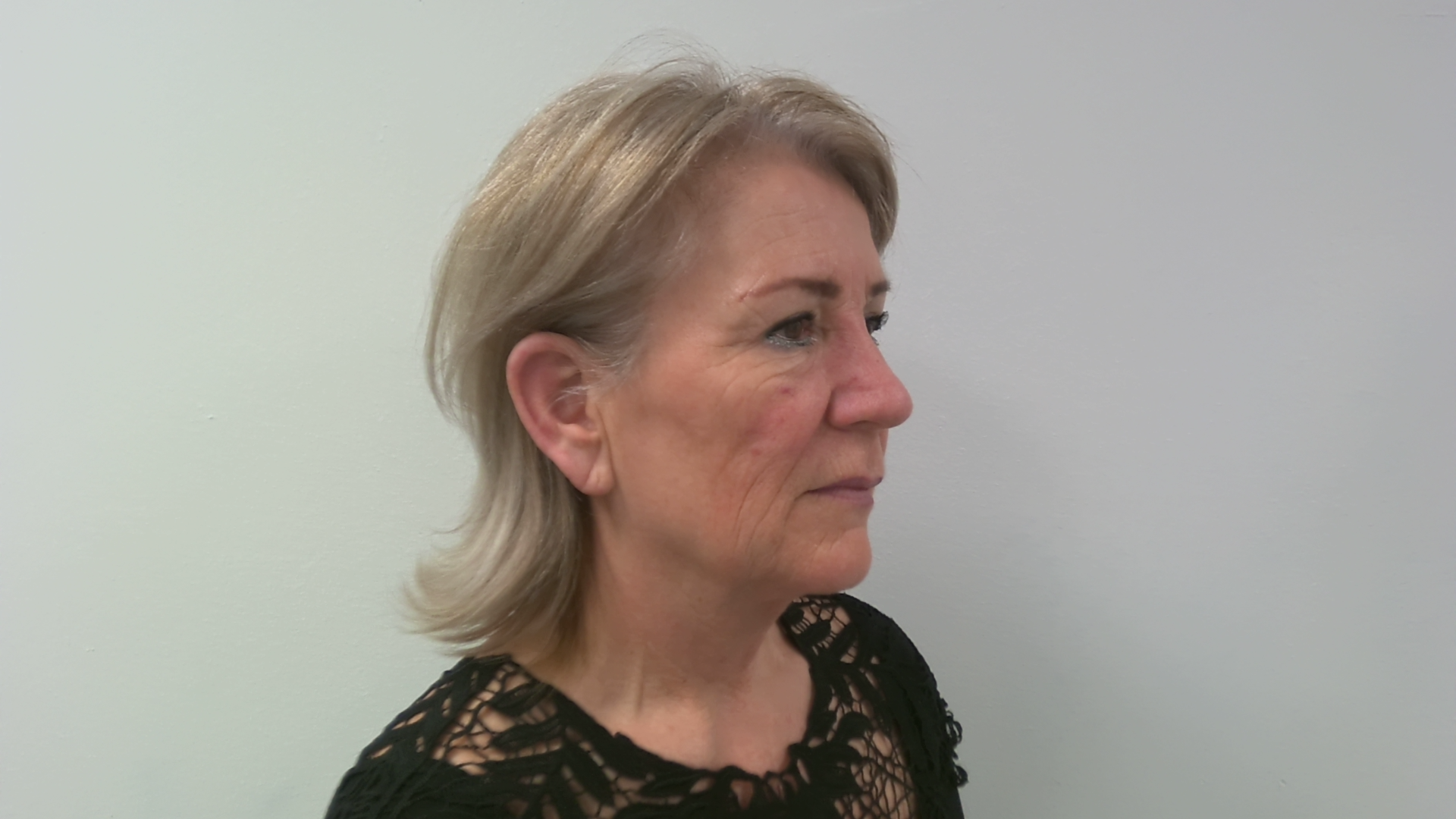
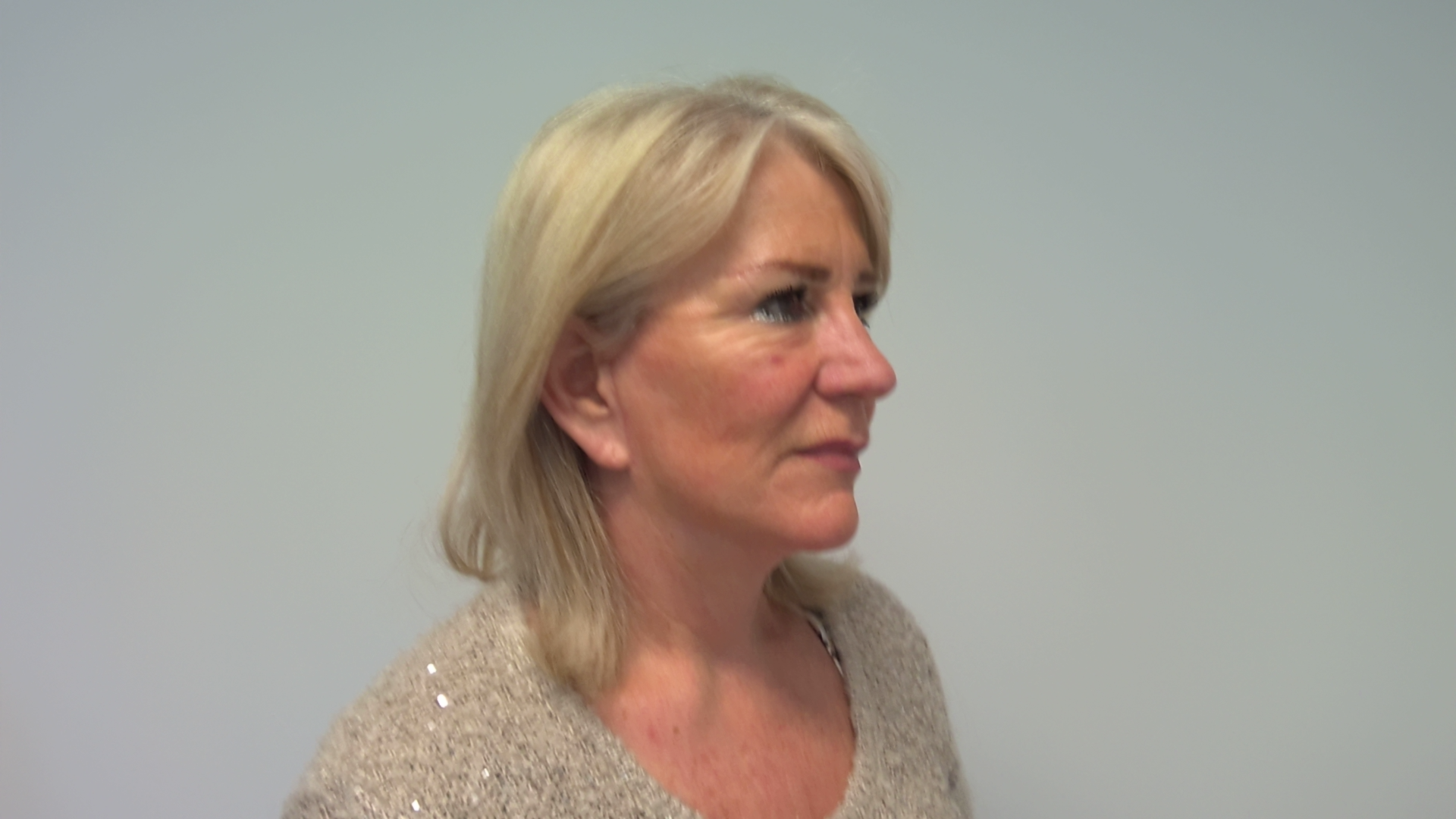
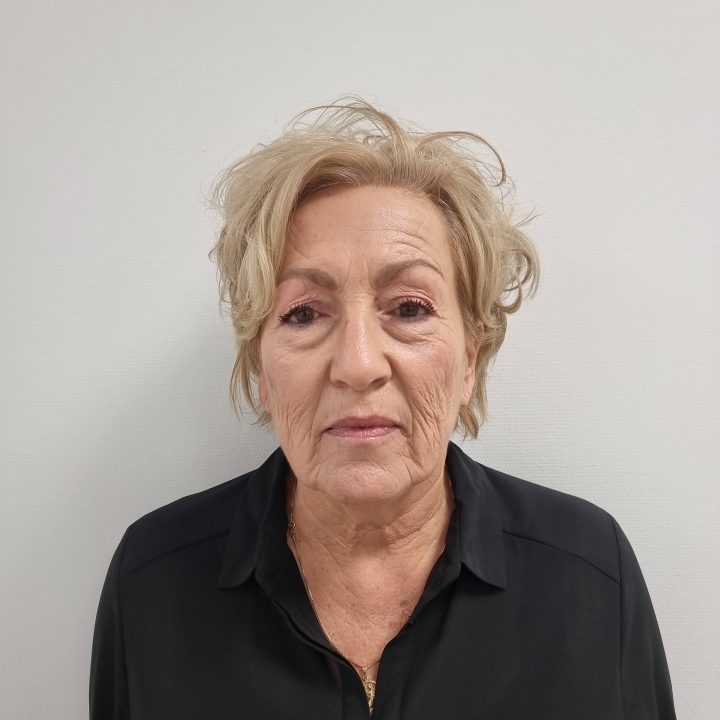
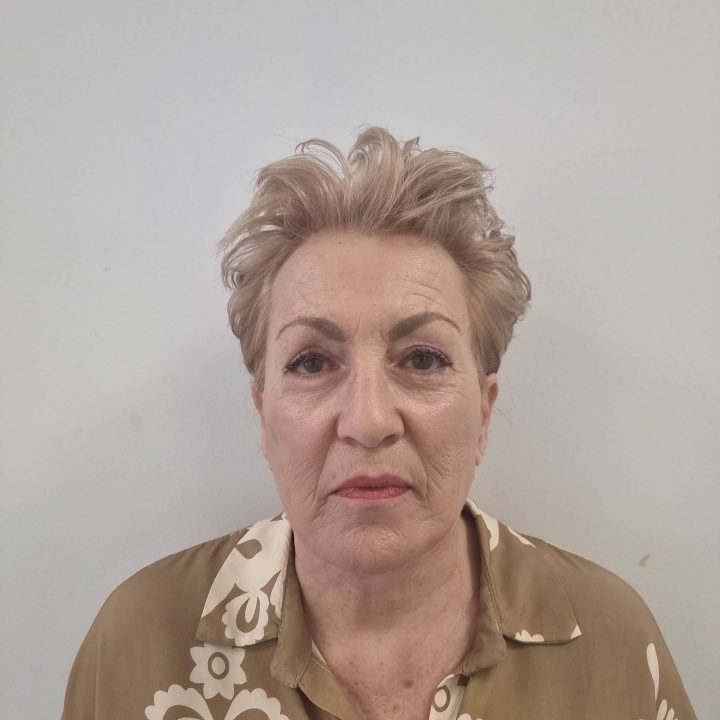
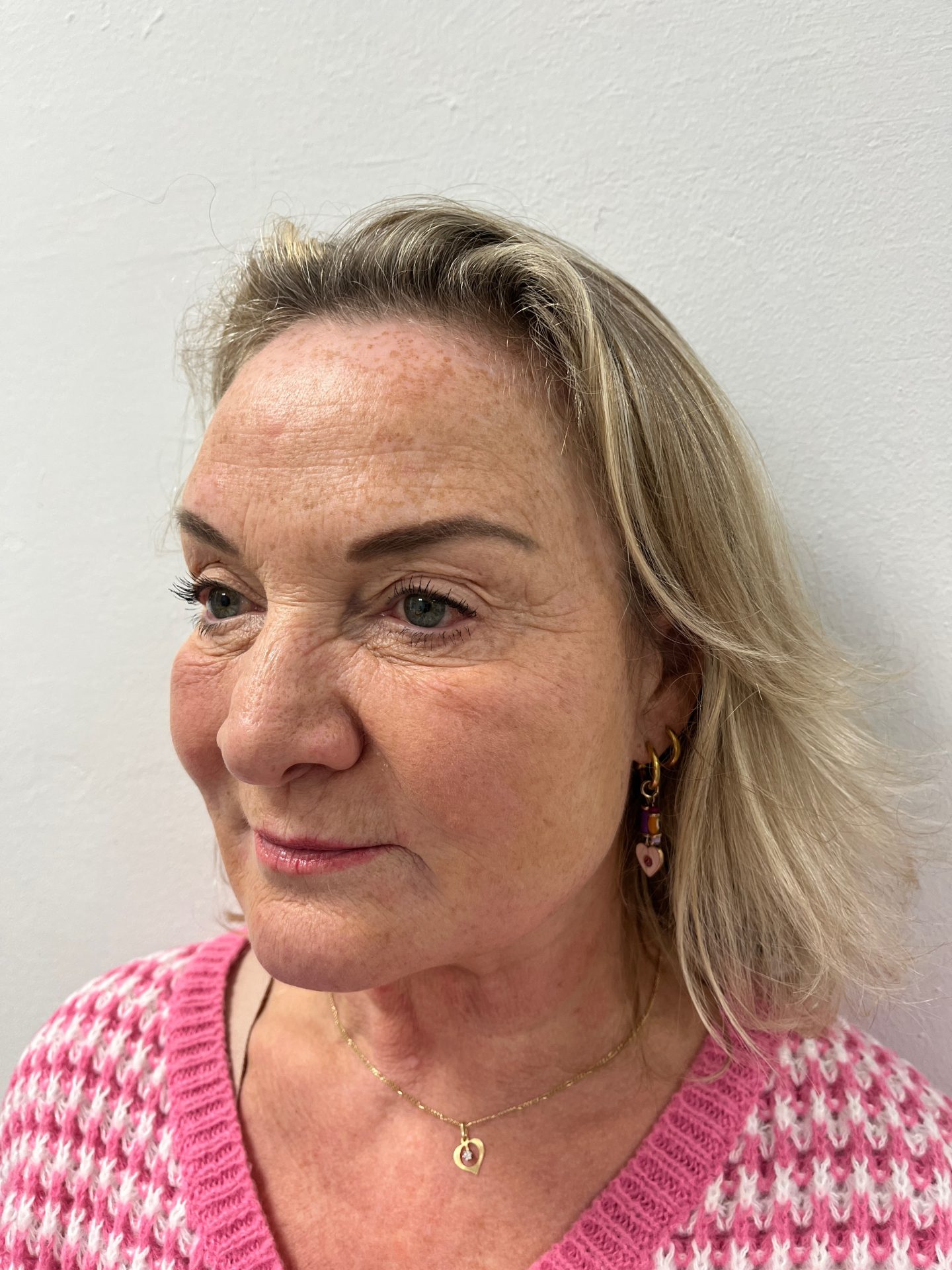
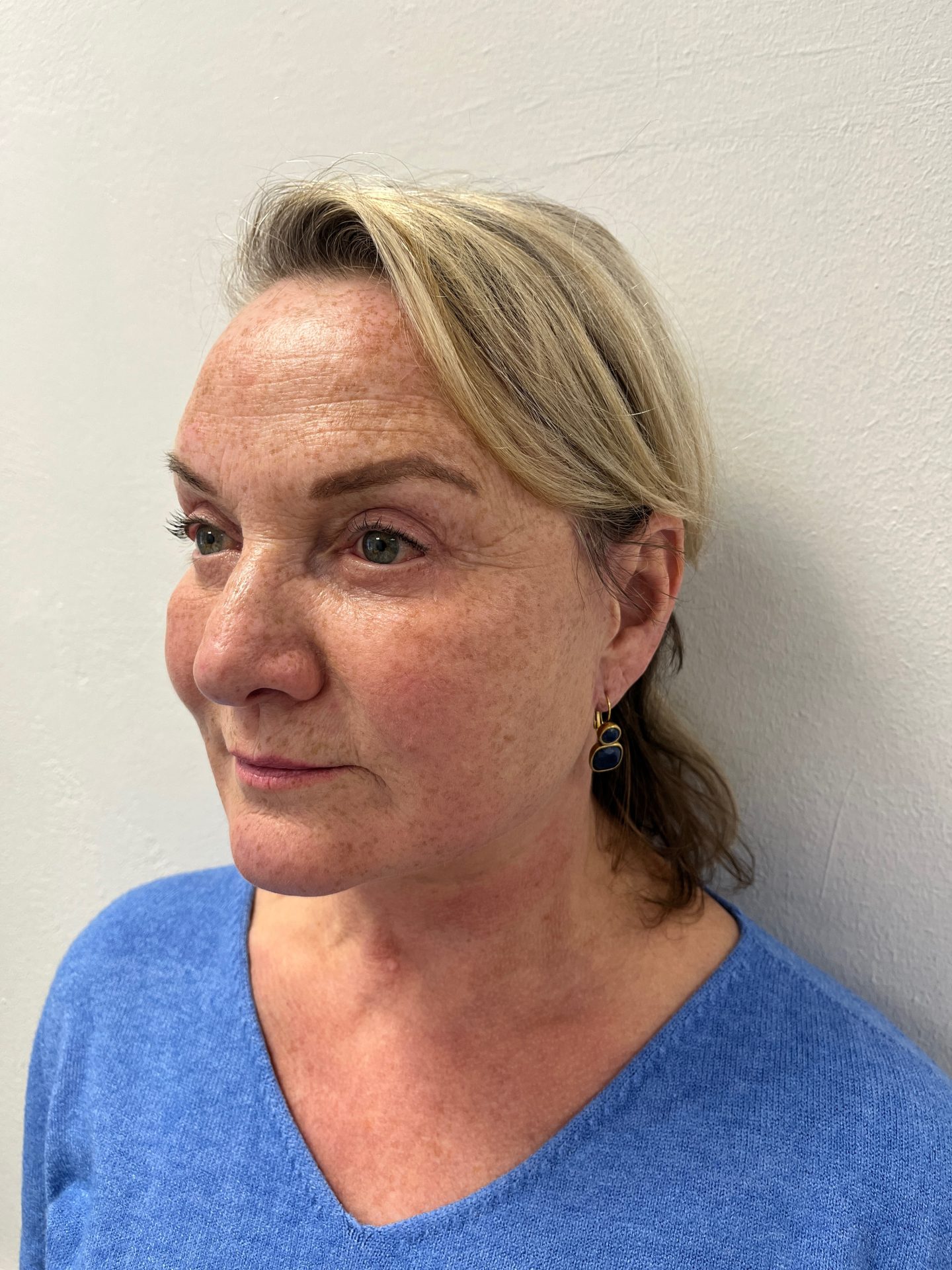
Real results from facelifts performed on our patients
See the results of real patients who have undergone a facelift at our clinic. The before-and-after photos provide a realistic picture of what this treatment can achieve.
In the hands of our experienced specialists
Our team of plastic surgeons combines years of experience with personalized care.
During a consultation, we take the time to discuss your wishes and provide honest advice about the options that are right for you.


Our patients' experiences
Every patient has their own story. Read about their experiences with their treatment at Boerhaave.
Plan a free consult with a specialist
Every body is different. During a free consultation, an experienced specialist will take the time to discuss your wishes and expectations in detail. You’ll receive personalised treatment advice, a clear explanation of the process and a transparent cost estimate.
You can also easily ask Bo, our AI medical assistant, any questions you may have.
Related Treatments
View treatments that are similar to this one and may meet your needs.