AdobeStock_441924800-2

Tummy Tuck

A flat stomach and a boost in self-confidence thanks to a tummy tuck.

Good to know

  • Anesthesia: Procedure under general anesthesia
  • Duration: 1.5–3 hours
  • Recovery: 7–14 days
  • Price: starting at €2,650
Schedule Your Free Consultation
5,000+Treatments
9.2Review

About a Tummy Tuck

After significant weight loss or pregnancy, the skin and muscles of the abdomen can become loose. During a tummy tuck, excess skin and fat are removed, and the abdominal muscles are tightened to create a flat stomach and a more defined waistline.
  • A tummy tuck is possible from €2,650. During a free, no-obligation consultation, our plastic surgeon will discuss and assess which procedure suits you best, including a personal cost estimate
  • Yes, for the anaesthesia to proceed safely, it is important to have a healthy weight. You can calculate your BMI via the Boerhaave website.
  • The most common combinations are a tummy tuck with a breast lift, or a tummy tuck with a breast augmentation. This can be further supplemented with, for example, liposculpture or an eyelid correction.
  • The recovery time is 6 weeks. For the first 4 weeks you wear a supportive corset day and night, and for the 2 weeks after that only during the day.

Here's how the treatment works

Here you will find all the important information about this treatment, from the consultation and the treatment itself to follow-up care, the results, and possible risks.

  • What Is a Tummy Tuck?
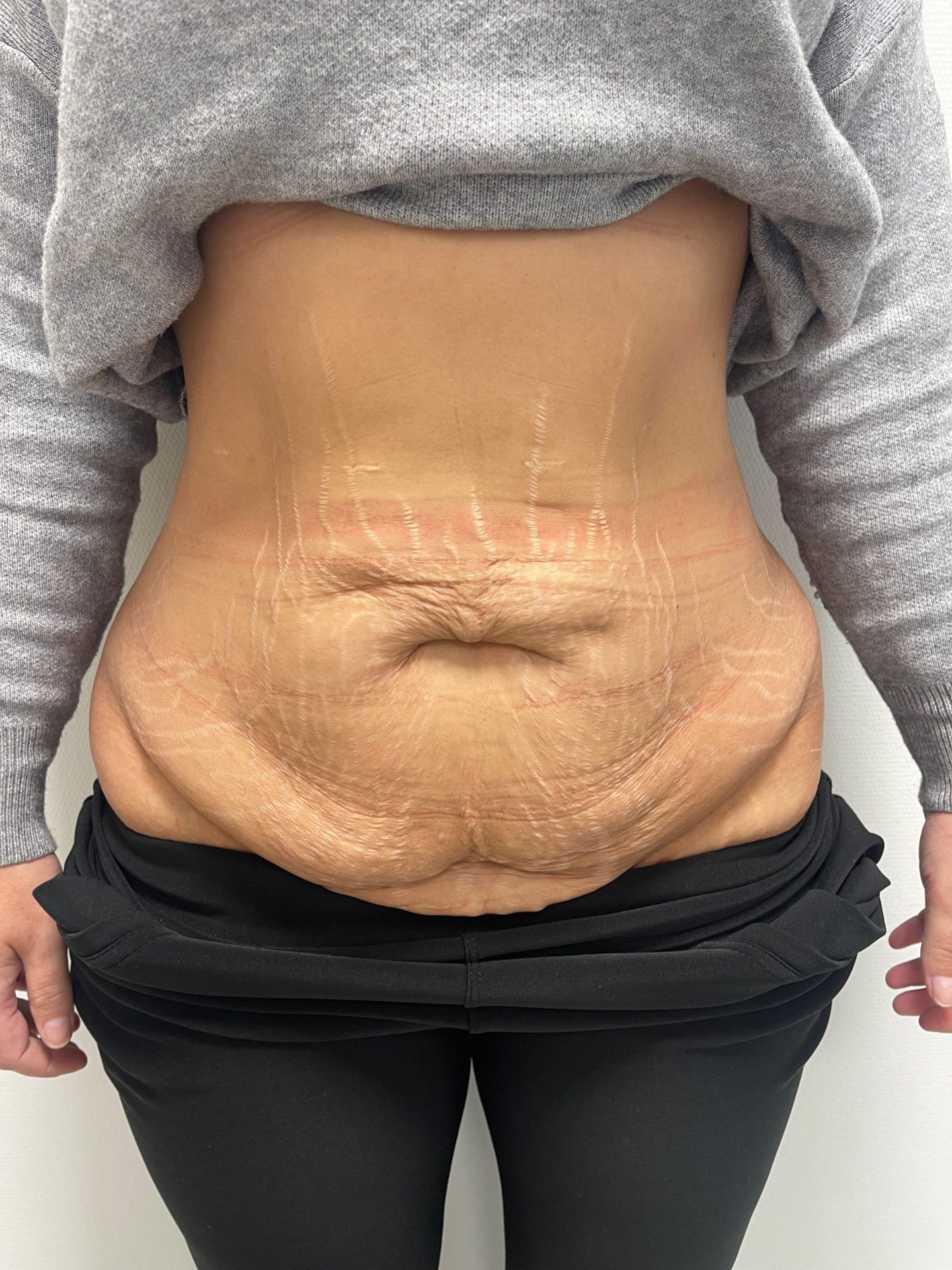
    Have you recently lost a lot of weight? Or have you just given birth and noticed that your abdominal muscles have become loose? Significant fluctuations in body weight can cause the skin on your abdomen and the underlying muscles to stretch and lose tone, resulting in excess abdominal skin. A tummy tuck can offer a solution in such cases.

    A tummy tuck focuses on restoring the contour of the abdomen by removing excess skin and fat and, in some cases, strengthening or repairing the abdominal muscles. The procedure can also help flatten the abdomen and improve the silhouette of the waist. A full tummy tuck typically involves an incision from hip to hip and a second incision around the navel to reposition it.


    Variations
    In addition to a tummy tuck, there are also variations, such as a mini-tummy tuck, an extended tummy tuck, a Fleur-de-Lis tummy tuck, a circular tummy tuck, or a pubic lift. The plastic surgeon will work with you to determine which type of procedure is best suited for you.


    Mini Tummy Tuck
    If you only have excess skin below the navel, a mini tummy tuck may provide sufficient results.

    Extensive Tummy Tuck
    Have your abdominal wall and abdominal muscles sagged overall? In that case, a more extensive abdominoplasty is a better option for you, as it also removes the excess tissue.

    Fleur-de-Lis
    Do you have a significant amount of excess fat and skin? If so, we offer you the option of a Fleur-de-Lis abdominoplasty. In this procedure, the scar is extended with an additional vertical incision above the navel. This procedure is particularly suitable for people who have lost a significant amount of weight and who would not achieve optimal results with another type of tummy tuck.

    Mound of Venus (Pubic Lift)
    Sagging skin, particularly after weight loss, pregnancy, or a tummy tuck, can cause the mons pubis to droop slightly. If an incision is made at the top of the pubic hairline and some skin is removed, the pubic area will be lifted. This incision is almost identical to that of a mini-tummy tuck. The difference is that in a mini-tummy tuck, skin is removed above the incision to tighten the skin of the lower abdomen, whereas in a pubic lift, skin is removed below the incision. Of course, both procedures can also be combined. If the pubic area is also too thick, this can be corrected through liposuction.

    With a circular tummy tuck, the scar runs all the way around. Keep in mind that for any type of tummy tuck, the best results are achieved when you are at a healthy weight. It may therefore be necessary for you to lose weight first before the procedure can take place. Would you like to know if you’re at a healthy weight? Calculate your BMI here: . The BMI (Body Mass Index) indicates whether your weight is healthy in relation to your height. It is absolutely not a method for losing weight.

    It’s also possible to combine a tummy tuck or mini tummy tuck with a Renuvion treatment. Renuvion is a treatment that focuses on tightening the skin. A unique combination of cold helium plasma and radiofrequency energy is used to tighten the skin from the inside out. This technology was specifically developed to heat the underlying tissues while keeping the surrounding areas cool, resulting in less recovery time and fewer risks compared to traditional skin-tightening methods.

    Important: A comprehensive consultation always takes place prior to the procedure to determine whether a tummy tuck is the right choice for you and to discuss any potential risks.

    What is the difference between a tummy tuck and liposuction?
    But what is the difference between atummytuck and liposuction? While both tummy tucks and liposuction are cosmetic procedures aimed at improving the appearance of the abdomen, there are still some important differences:

    • Tummy tuck:
      • Focuses on removing both excess fat and skin.
      • May also address the underlying abdominal muscles, especially if they are stretched or damaged.
      • Is usually suitable for people with significant excess skin or loose skin following weight loss or pregnancy.
      • Often provides a more comprehensive result in terms of abdominal contour, as it also tightens the muscles.

    • Liposuction:
      • Specifically removes fat cells using a suction technique.
      • Is usually intended for people with relatively good skin elasticity and without excessive excess skin.
      • Focuses on contouring specific areas of the body, not necessarily the entire abdomen.
      • No muscles are tightened or repositioned.
  • Plastic Surgeon
    The consultation always takes place with the plastic surgeon who will be treating you. During this consultation, you can explain what bothers you most about the sagging of your abdomen and what you would like to change. The plastic surgeon will review your medical history and examine your abdomen. Based on this, the surgical technique and type of tummy tuck best suited for you will be proposed and discussed with you. You will also be given an explanation of what the procedure entails and what you can expect in terms of the final result. In some cases, the plastic surgeon may suggest an additional procedure, such as liposuction. This is often done when you have fat deposits in addition to excess skin.

    The recovery period, advantages and disadvantages, potential risks and complications, and costs will then also be discussed with you. This will allow you to make a well-informed decision. The entire consultation is designed to provide you with as clear and comprehensive information as possible.

    Consultant
    Following your initial consultation, you’ll have a phone call with your consultant. He or she will inform you about the general matters that need to be arranged regarding your tummy tuck.

    Would you like to read more about your initial consultation? Read more here.

    BMI
    To undergo surgery under general anesthesia, it is important that the procedure be performed safely. For this reason, you must be at a healthy weight. Would you like to know if you are at a healthy weight?

    Calculate your BMI here. The BMI (Body Mass Index) indicates whether your weight is healthy in relation to your height.

  • On the day of your procedure, you are expected to arrive at the clinic half an hour in advance. Unless you are undergoing a mini-tummy tuck or a pubic lift, you will stay at the clinic for at least one day after the surgery before you are allowed to go home. All types of tummy tucks are performed under general anesthesia.

    What does the surgery itself involve? Before the anesthesia is administered, the plastic surgeon will mark the area where the procedure will take place. This allows you to see exactly what will happen and where the incisions will be made. The first incision is made around your navel, and the second incision is made just above the pubic area and just below the bikini line, from hip to hip.

    Next, your abdominal muscles—which are often weakened—are sutured together, and the skin flap—the loosened skin—is pulled downward to the incision. A small hole is made in the skin where the navel will be placed, and the navel is sutured into place. This ensures that the position of your navel is once again in proportion to the rest of your abdomen.

  • In most cases, you will stay overnight at the clinic and will be allowed to go home once the nurse and the anesthesiologist deem it safe. You’ll go home with drains, which will be removed a week later during your follow-up appointment. You may also start eating easily digestible foods right away at home, such as water, tea, and crackers.

    Postoperative Pain
    In the first few days after surgery, you’ll experience a pulling pain in the skin and muscles around your abdomen. The operated area will feel tender, sore, and tight. Especially during the first week, you won’t be able to do much due to the significant muscle pain you’ll feel. This sensation is comparable to doing a few hundred sit-ups.

    Recovery
    In addition to the significant muscle soreness and pulling pain, the treated area will initially be bruised, tender, and swollen. The scars may also be red and raised at first. Don’t be alarmed by this! It’s a natural reaction of your body as it tries to heal.

    What can you expect in the weeks following surgery? A few weeks after the procedure, your skin will still feel hard due to scar tissue formation. Your skin may also become more or less sensitive. Both are normal reactions to the surgery and will gradually subside in the weeks that follow. The same applies to any swelling or bruising. It is important, however, that you wear a support corset day and night for the first four weeks and only during the day for the following two weeks.

    In the days following the surgery, your buttocks will feel sore, and you may experience mild tightness around the treated area. The surrounding skin will feel tight and taut as it adjusts to the new shape. You may also experience muscle soreness.

    As with any surgical procedure, the body needs time to recover. The treated area will initially be bruised, tender, and swollen. The scars may also be red and raised immediately after the procedure. Don’t be alarmed by this; it is a natural reaction of the body.

    Scar Cream
    During your first follow-up visit, you’ll be given a scar care cream to take home. Once the wound has closed and the scabs have fallen off, you can start applying the scar cream. Applying this to the closed wound twice a day will increase the likelihood of a good healing outcome.

  • Due to swelling and your body’s healing process, it may take a few months before the final results of the tummy tuck are visible. In general, the results are long-lasting, and your abdomen will be flatter and have a firmer shape. However, another procedure would be necessary in the event of further sagging of the skin and muscle tissue, aging, or pregnancy.

    Scars
    Your scars will be located just below the bikini line, just above the pubic area, and will run from hip to hip. There will also be a small, barely visible scar around your navel. The plastic surgeon will do everything possible to make these as inconspicuous as possible. At first, they will be red and swollen, but this will subside after a few weeks.

    Keep in mind that it can take one to one and a half years for a scar to fully settle. It is very important that you apply the scar cream we provide to your scars regularly. By applying this nourishing cream twice a day, you’ll increase the chances of a smooth healing process. In addition, it’s recommended that you always use sunscreen with an SPF of 30 or higher during the first year to protect your skin.

  • Any surgical procedure can involve risks and complications. Plastic surgery procedures generally involve healthy individuals, so the risks and likelihood of complications are low. Thorough information, a complete medical history, and our professional approach further reduce these risks to an absolute minimum.

    However, it is important that you carefully follow the pre-operative instructions.

    Possible complications may include:

    • Hematoma (a collection of blood under the skin that requires drainage)
    • Adverse reaction to the anesthetic
    • Postoperative bleeding
    • Infection
    • Necrosis
    • Change in sensation
    • Permanent visible scars
    • Damage to underlying structures
    • Unsatisfactory aesthetic result.
    • Excessive edema formation in the abdominal cavity

    Smoking
    Patients who smoke or use tobacco or nicotine products at the time of surgery are at a higher risk of complications. These include skin necrosis and impaired wound healing. Furthermore, it can also have a negative effect on anesthesia, potentially leading to an increased risk of bleeding. It is therefore important that you refrain from smoking for at least four weeks before surgery and that you continue to do so throughout the entire recovery process.

    People exposed to secondhand smoke may also be at an increased risk of such complications compared to people who do not smoke and are not exposed to secondhand smoke. The latter group has a significantly lower risk of complications.

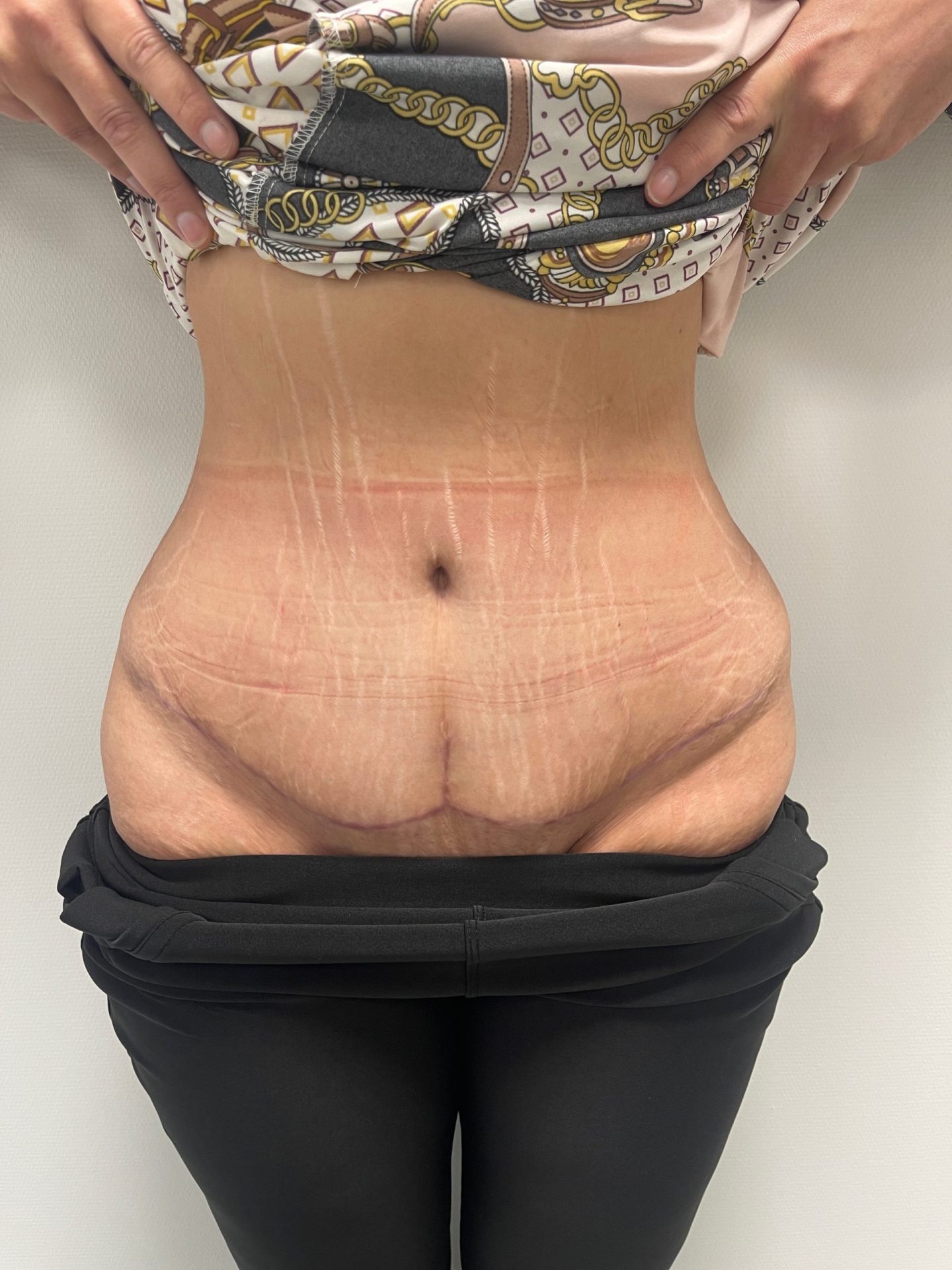
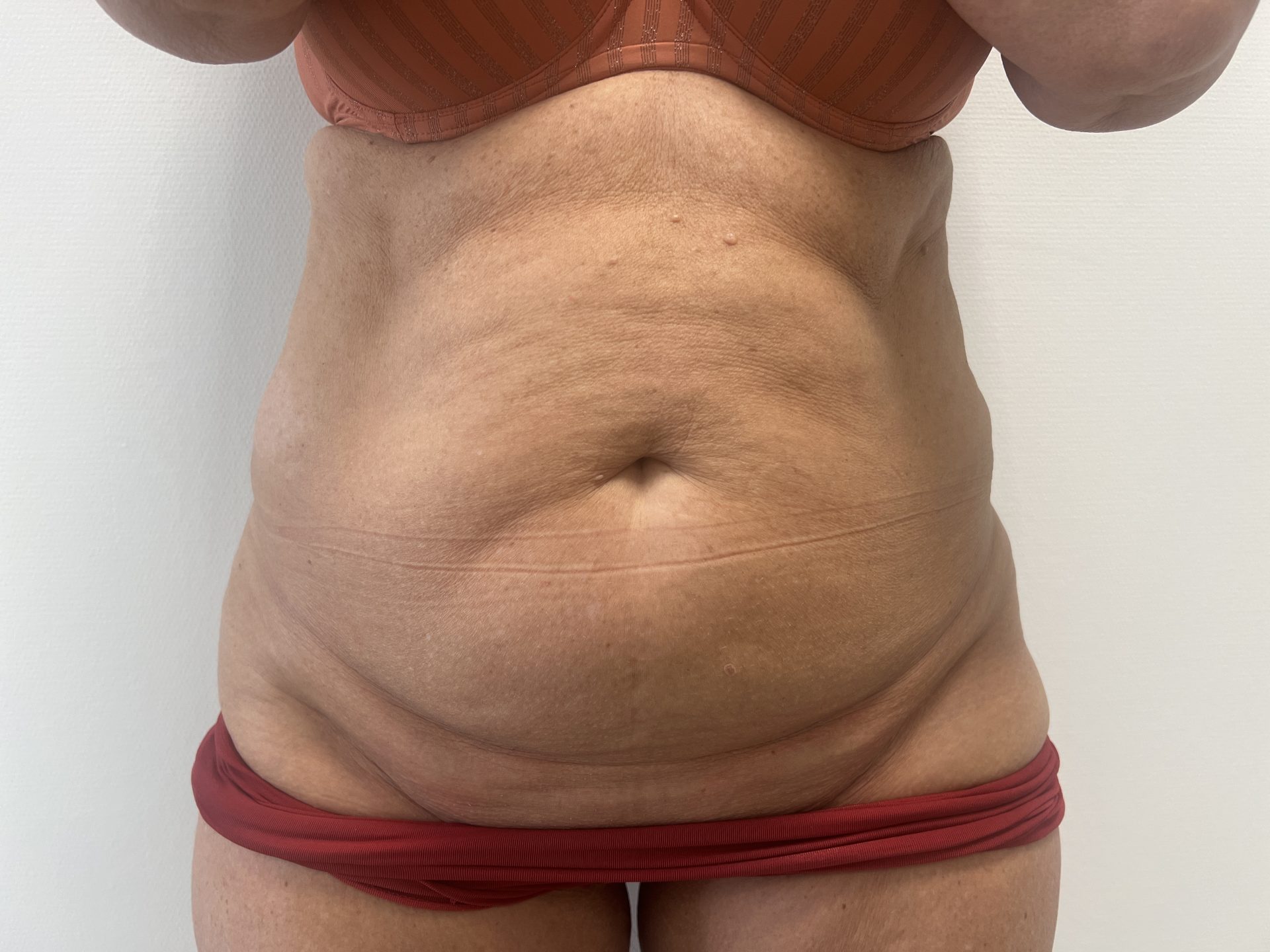
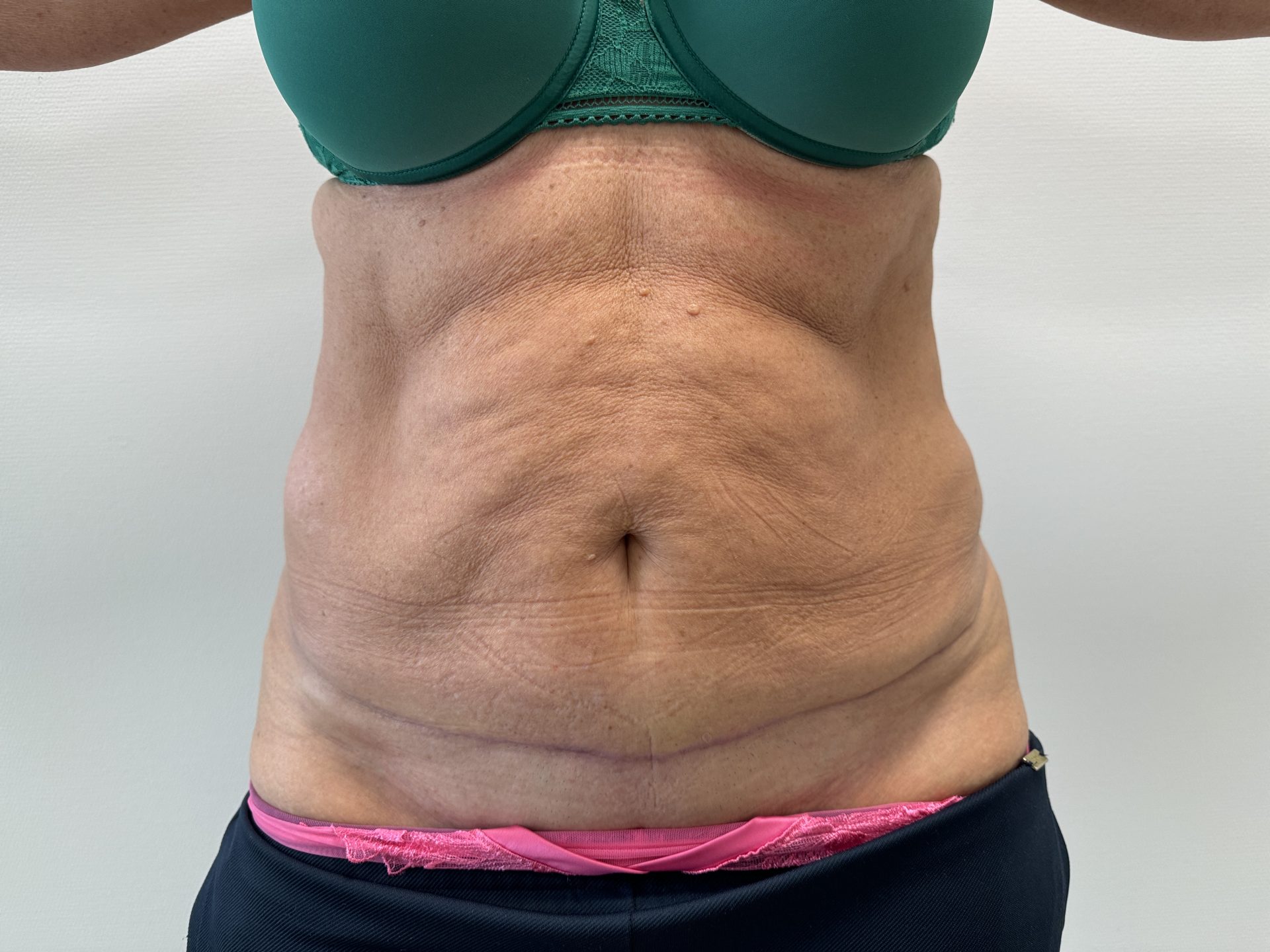
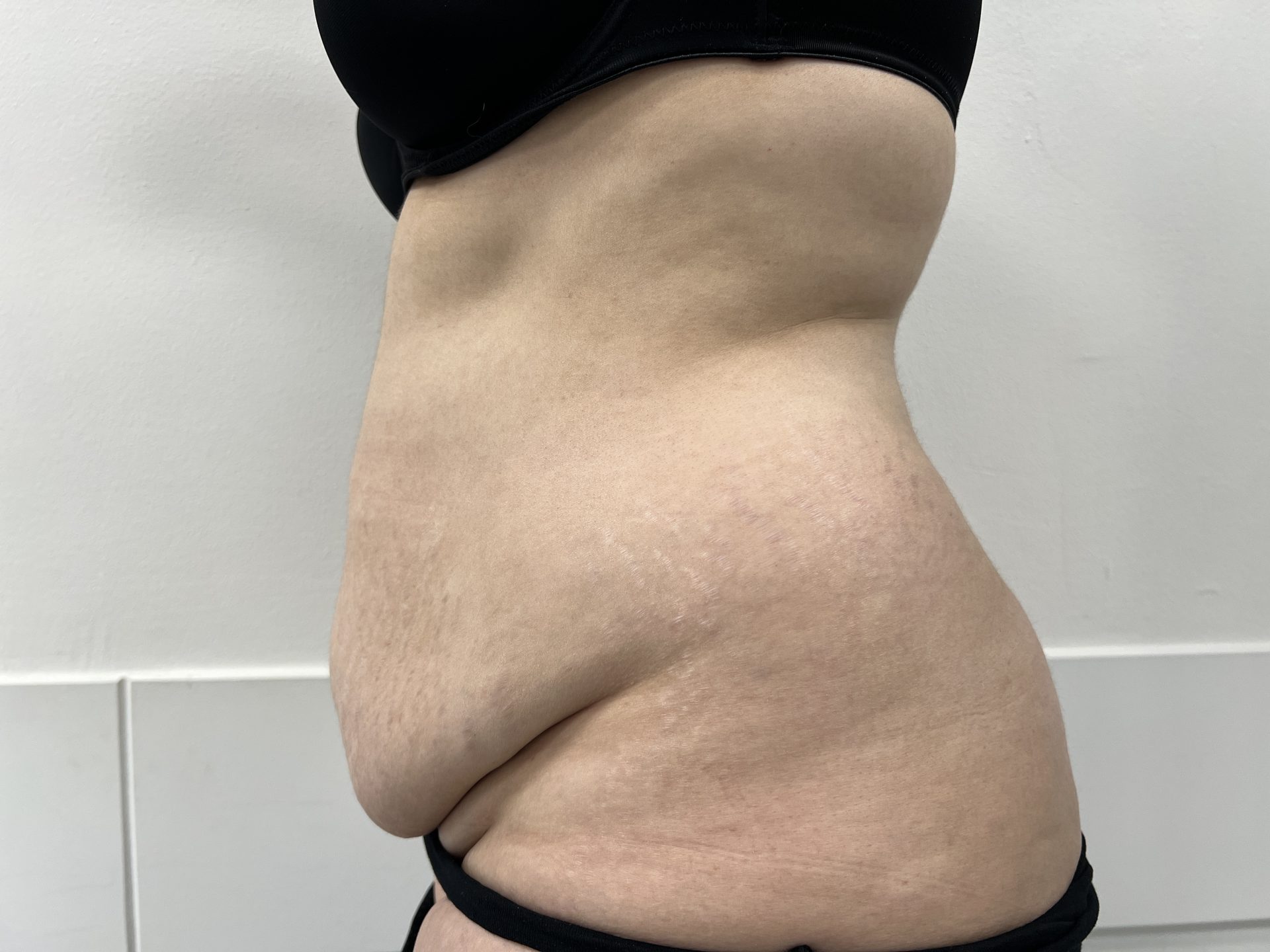
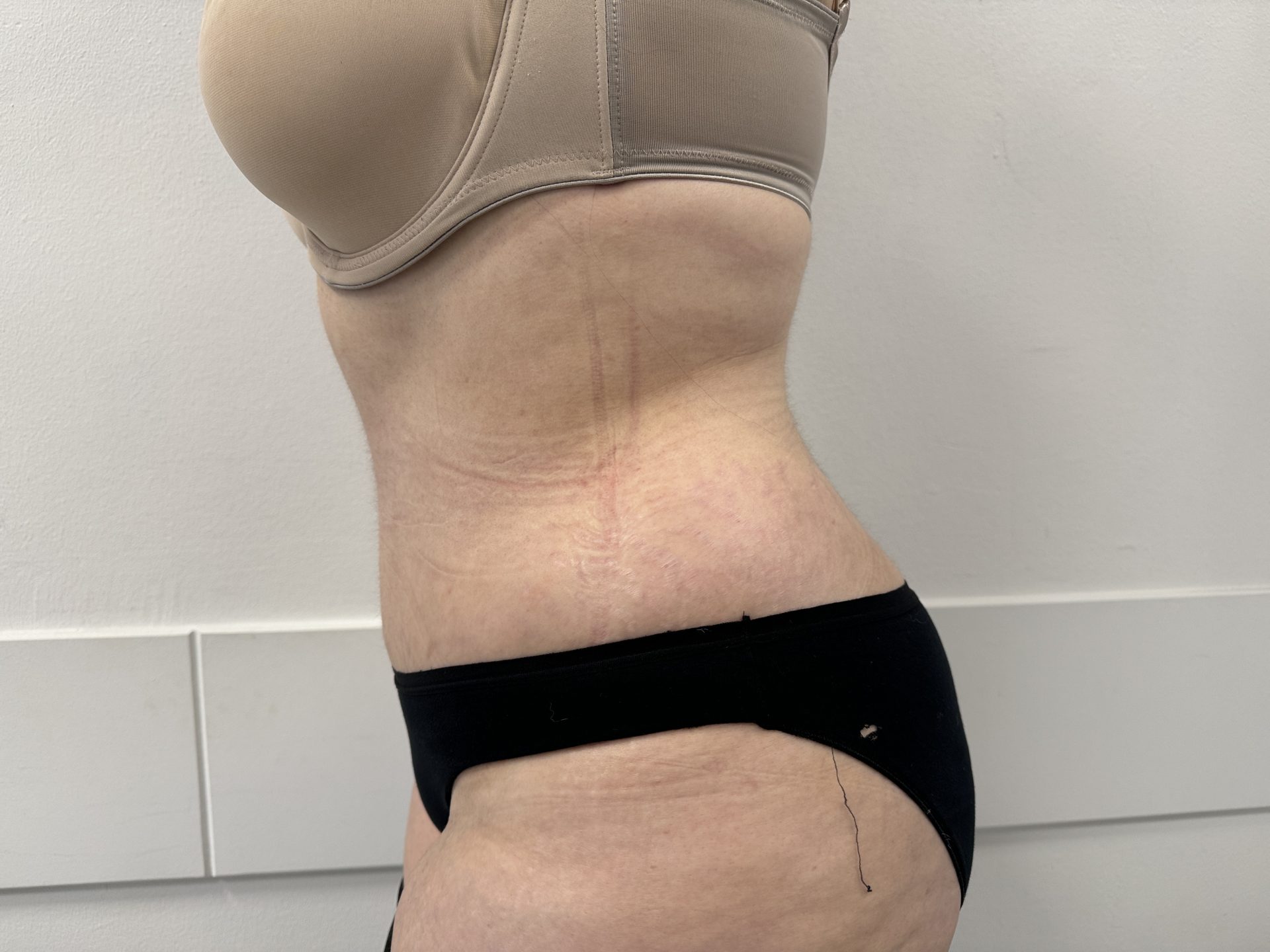
Tummy Tuck results from real patients

Take a look at these results from tummy tucks performed on patients who have had the procedure at our clinic. The before-and-after photos provide a realistic picture of what this treatment can achieve.
View all results

In the hands of our experienced specialists

Our team of plastic surgeons combines years of experience with personalized care.
During a consultation, we take the time to discuss your wishes and provide honest advice about the options that are right for you.

Meet Our TeamIcons
Dr. M. J. Bertleff

How much does a tummy tuck cost?

The exact price depends on the treatment that’s best for you. Because every body and every goal is different, we’ll develop a treatment plan during a personal consultation, including a clear, transparent price.

  • Mini tummy tuck
    Procedure under general anaesthesia
    €2,650
  • Tummy tuck (abdominoplasty)
    Procedure under general anaesthesia plus overnight stay
    €5,200
  • Extended tummy tuck
    Procedure under general anaesthesia plus overnight stay
    €6,500
  • Fleur-de-lis tummy tuck
    Procedure under general anaesthesia plus overnight stay
    €7,650
  • Circumferential tummy tuck
    Procedure under general anaesthesia plus overnight stay
    €13,000
  • Pubic lift (mons pubis correction)
    Procedure under local or general anaesthesia
    €1,900
  • Mommy makeover
    Procedure under general anaesthesia plus overnight stay
    From€5,800
  • Surcharge for muscle repair
    €850
  • Renuvion skin tightening (as an additional treatment)
    Procedure under local anaesthesia
    €2,900

Plan a free consult with a specialist

Every body is different. During a free consultation, an experienced specialist will take the time to discuss your wishes and expectations in detail. You’ll receive personalised treatment advice, a clear explanation of the process and a transparent cost estimate.

You can also easily ask Bo, our AI medical assistant, any questions you may have.
example_image

Frequently Asked Questions

  • If you have lost a lot of weight or have recently given birth, the skin of your abdomen and the underlying muscles may have stretched and slackened. A tummy tuck removes this surplus of abdominal skin and subcutaneous fatty tissue. If the abdominal wall and abdominal wall muscles have slackened as a whole, these can also be tightened again.
  • Where the scar will be depends on the type of tummy tuck you undergo. In general, the scar is just below the bikini line. This means you can cover the scars with your bikini or underwear.
  • The choice between a tummy tuck and liposuction depends on your specific needs and expectations. If you mainly suffer from excess fat and your skin still has sufficient elasticity, liposuction can be a good solution. However, if you are dealing with a lot of excess skin and stretched muscles, a tummy tuck offers a better outcome.
  • A tummy tuck is only covered when it is medically necessary. If you come to us for insured care, you will need a referral letter from your GP.

Related treatments

View treatments that are similar to this one and may meet your needs.