Mole Removal
Good to Know
- Anesthesia: Procedure under local anesthesia
- Duration: 30 minutes
- Recovery: 4–7 days
- Price: Starting at €500
About removing a mole
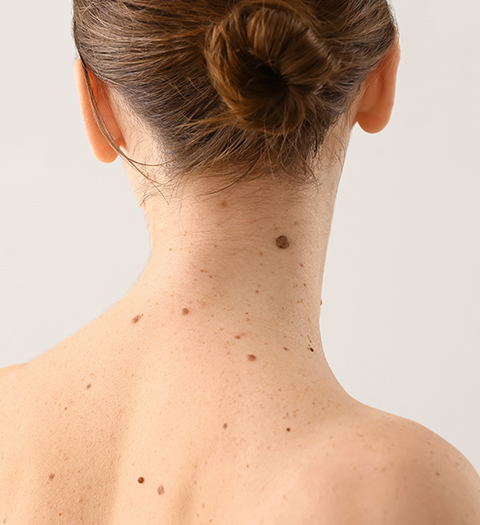
A mole may be cosmetically bothersome or cause symptoms such as itching, bleeding, or irritation when shaving. Under local anesthesia, the mole is carefully removed, ensuring that the scar is as inconspicuous as possible.
- Removing a birthmark costs €500. Any additional costs for a histopathological examination will be discussed during the consultation.
- Yes. The plastic surgeon will do everything possible to make the scars barely visible. Do bear in mind that they will initially be red and swollen, but that this will start to fade after a few weeks. It is important to take good care of your scar and protect it from the sun.
- Immediately after the procedure, you may experience pain around the scar. This is because the anaesthetic is wearing off. In addition, the treated area will be slightly bruised, tender and swollen. This is a natural reaction of the body and can last a few weeks before it disappears over time.
- At Boerhaave, birthmarks are removed by experienced plastic surgeons with an eye for safety, quality and a careful result. You can count on personal guidance and expert aftercare, so that you know where you stand throughout the entire treatment process.
About removing a mole
Here you will find all the important information about this treatment, from the consultation and the treatment itself to follow-up care, the results, and potential risks.
In most cases, a mole is removed for cosmetic reasons. A mole, also known as a naevus, is a completely harmless cluster of cells containing excess pigment. In rare cases, however, they can be malignant. In such cases, it is necessary to have the mole surgically removed as soon as possible.
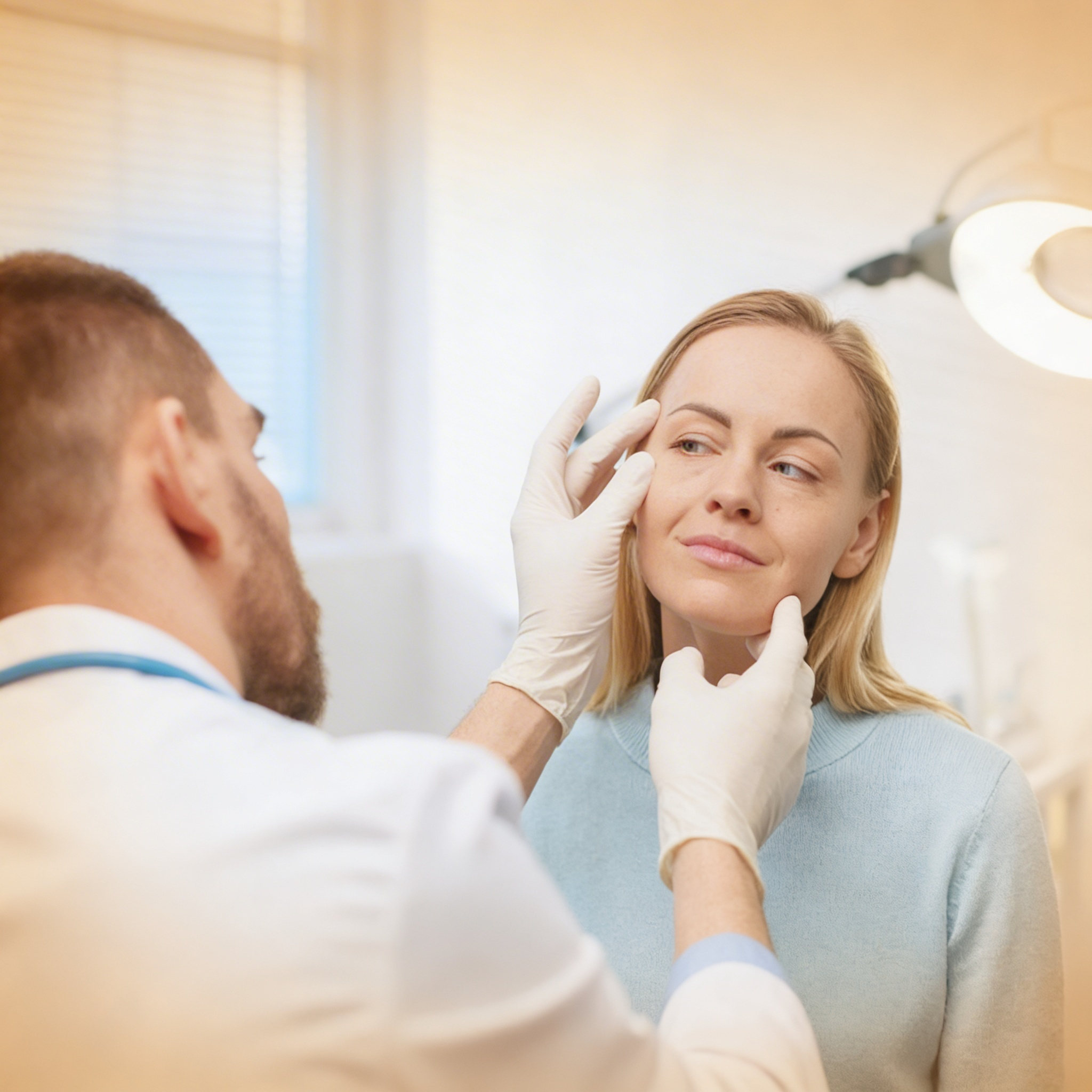
At Boerhaave, your consultation always takes place with the plastic surgeon who will be treating you. During this consultation, you can discuss your preferences regarding the removal of your mole(s); photos will be taken for your medical record, and your mole(s) will be examined. Based on this, the surgical technique best suited for you will be proposed and discussed with you immediately. In front of the mirror, we’ll explain exactly what this technique entails and what you can expect in terms of the final result.
At the end, your consultation will be summarized in a treatment plan, and the total costs will be discussed with you. The goal is to provide you with information that is as clear and comprehensive as possible.
Consultant
Following your consultation, you will also have a meeting with your consultant. You will then be informed about the general procedures that need to be arranged prior to the treatment.
Would you like to read more about your first consultation? Click here for more information about your consultation.
The procedure is usually performed under local anesthesia, which means you can go home half an hour after the procedure.
Would you like to read more about the day of your procedure? Read here to find out how a typical procedure day unfolds.
The plastic surgeon will make an incision in the marked area. Through this incision, your mole will be removed, and the wound will be closed.
However, simply closing the wound may not be sufficient. In that case, a special suturing technique is used to create an irregular scar, allowing it to heal better. These techniques often involve a W- or Z-shaped suture pattern.
Your mole can be examined under a microscope after the procedure. We aim to provide you with the results within a week.
Shortly after the procedure, you may experience increasing pain around the scar. This is because the anesthesia is wearing off. It’s very uncomfortable, but the pain is usually mild.
In addition, the treated area will be slightly bruised, tender, and swollen. Don’t be alarmed by this; it’s a natural reaction of the body and may last a few weeks before gradually subsiding over time.
Scar Cream
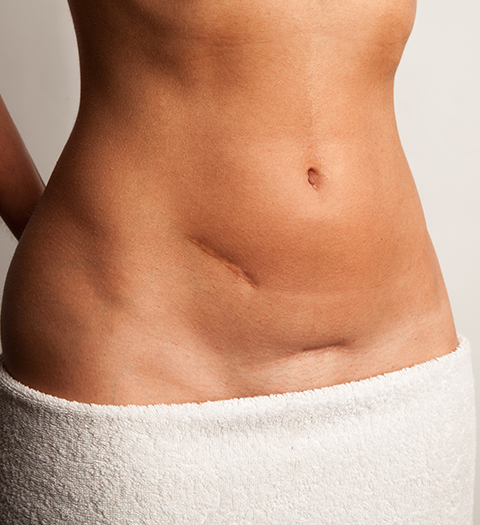
The plastic surgeon will do everything possible to ensure the scars are barely visible. Keep in mind, however, that they will initially be red and swollen, but this will subside after a few weeks.
It’s good to know that a scar takes one to one and a half years to fully heal. That’s why it’s important to apply the scar cream—which you’ll receive during your first follow-up visit—to your scars twice a day. You should also keep the scars out of the sun and always use sunscreen with an SPF of 30 or higher for the first year to protect your skin.
It is important to realize that any surgical procedure can involve risks and complications. Even though removing a mole is a minor procedure, our professional approach ensures that we minimize potential risks and complications to an absolute minimum.
Possible complications may include:
-
Hematoma (a collection of blood under the skin that requires removal)
-
Adverse reaction to the anesthetic
-
Postoperative bleeding
-
Infection
-
Permanent scarring
-
Unsatisfactory aesthetic result.
Smoking
Patients who smoke or use tobacco or nicotine products at the time of surgery are at greater risk of complications, such as skin necrosis and impaired wound healing. In addition, it can have a negative effect on anesthesia, potentially resulting in an increased risk of bleeding. It is therefore important to stop smoking at least four weeks prior to surgery and to maintain this abstinence throughout the entire recovery process.
People exposed to secondhand smoke may also be at increased risk for similar complications. People not exposed to secondhand smoke have a significantly lower risk of such complications.
-
In the hands of our experienced specialists
Our team of plastic surgeons combines years of experience with personalized care.
During a consultation, we take the time to discuss your wishes and provide honest advice about the options that are right for you.


%20-%2012-08-2026%2016-18-14-2.png?height=1000&name=Florien-11663+kopie+(1)+-+12-08-2026+16-18-14-2.png)


-2.png?height=1000&name=Carolien+Verveld-4974+(1)-2.png)


%20-%2012-08-2026%2016-09-34-2.png?height=1000&name=Dokter+Koeijers-117+(1)+-+12-08-2026+16-09-34-2.png)

%20-%2012-08-2026%2016-18-14-2.png?height=1000&name=Florien-11663+kopie+(1)+-+12-08-2026+16-18-14-2.png)


-2.png?height=1000&name=Carolien+Verveld-4974+(1)-2.png)


%20-%2012-08-2026%2016-09-34-2.png?height=1000&name=Dokter+Koeijers-117+(1)+-+12-08-2026+16-09-34-2.png)

%20-%2012-08-2026%2016-18-14-2.png?height=1000&name=Florien-11663+kopie+(1)+-+12-08-2026+16-18-14-2.png)


-2.png?height=1000&name=Carolien+Verveld-4974+(1)-2.png)


%20-%2012-08-2026%2016-09-34-2.png?height=1000&name=Dokter+Koeijers-117+(1)+-+12-08-2026+16-09-34-2.png)
How much does it cost to remove a mole?
The exact price depends on the treatment that’s best for you. Because every body and every goal is different, we’ll develop a treatment plan during a personal consultation, including a clear, transparent price.
Mole removal
Procedure under local anaesthesia€500Additional cost for histopathological examination (small specimen)
€150Additional cost for histopathological examination (large specimen)
€450
Our patients experiences
Read the reviews from patients who have been treated by our specialists at the Boerhaave Clinic. They share their experiences with their consultation, treatment, recovery, and/or results.
Plan a free consult with a specialist
Every body is different. During a free consultation, an experienced specialist will take the time to discuss your wishes and expectations in detail. You’ll receive personalised treatment advice, a clear explanation of the process and a transparent cost estimate.
You can also easily ask Bo, our AI medical assistant, any questions you may have.
Frequently Asked Questions
In most cases this is done for aesthetic reasons. A birthmark (Naevus) is a harmless accumulation of cells with too much pigment. In rare cases, however, a birthmark can be malignant, and then rapid surgical removal is necessary.
- Yes, after the procedure the birthmark can be examined under a microscope (histopathologically). Boerhaave aims to give you the result within a week.
- The treatment is usually performed under local anaesthetic, so you can often go home just half an hour after the procedure.
Related treatments
View treatments that are similar to this one and may meet your needs.