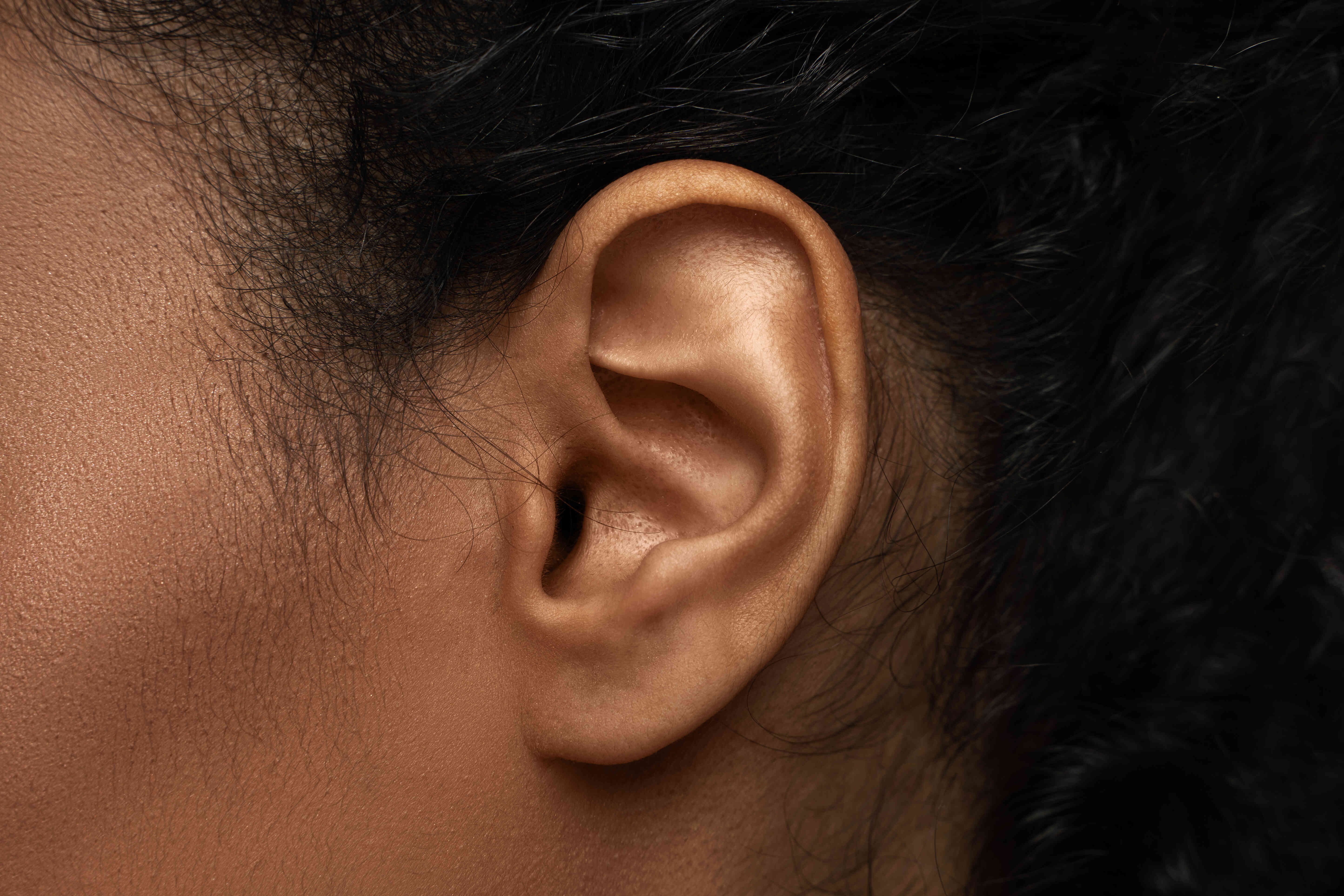
ear correction

Ear correction

Is the shape of your ears so noticeable that you find it bothersome? Ear correction surgery can make a significant improvement in this regard.

Good to know

  • Anesthesia: Procedure under local anesthesia
  • Duration: 45 minutes (per ear)
  • Recovery: 7–14 days
  • Price: starting at €950 (one ear)
Free Consultation
5,000+Treatments
9.2Review
Page checked by: Dr. P. van der Heijden on 1 September 2026

About ear correction surgery

Ear correction surgery can bring protruding ears closer to the head and adjust the shape or size of the ears. During the consultation, the ENT specialist will discuss your wishes and determine which correction best suits the shape of your ears and face.
  • An ear correction is possible from €950 for a standard correction of one ear. The final cost depends on the desired correction and whether one or both ears are treated. During a free, no-obligation consultation, the ENT specialist/plastic surgeon discusses your wishes and the options, and you receive a transparent cost overview.
  • After an ear correction, you wear a pressure bandage around your head for one week to protect the ears and limit swelling. After that, you wear a headband while sleeping for 3 weeks. This protects the ears from accidentally folding over or being knocked during recovery. Your ENT doctor/plastic surgeon will tell you how long this is necessary in your situation.
  • After an ear correction, the ears may be swollen, tender and discoloured. This gradually subsides over the first few weeks. Allow approximately 7 to 14 days before you can largely resume your daily activities. Sport and other activities in which the ears could be hit are not recommended during the first few weeks.
  • At Boerhaave, an ear correction is performed by experienced ENT specialists or plastic surgeons with attention to safety, quality and a natural result. You can count on personal guidance and extensive aftercare, so that you know where you stand throughout the entire treatment process.

Here's how the treatment works

Here you will find all the important information about this treatment, from the consultation and the treatment itself to follow-up care, the results, and potential risks.

  • The ENT Specialist
    Your consultation will always take place with the ENT specialist/plastic surgeon who will be treating you. During this appointment, you can explain what bothers you most about your ears and what you would like to change. The surgeon will take photos for your medical record and examine your ears. Together, you’ll review your preferences for the ear correction in front of the mirror. Based on this, he or she will propose the most suitable treatment plan for you and discuss it with you. In front of the mirror, they will then explain what this plan entails and what you can expect in terms of the final result. In addition, the recovery period and any potential risks and complications will be discussed with you. This will allow you to make a well-informed decision.

    At the end of the consultation, the total cost will be discussed with you immediately.

    In total, this consultation will take about 30 minutes.

    Consultant
    Following your initial consultation with your surgeon, you will have a meeting with your consultant. You will then be informed about the general procedures that need to be arranged regarding your treatment.

    Read here about what to expect from a consultation at Boerhaave.

  • In most cases, ear correction surgery is performed under local anesthesia. This means that your ears will be numbed with a few injections, and from that point on, you won’t feel a thing, though you’ll remain fully conscious.

    Before your surgery, the excess skin and cartilage are first marked with a sterile pen. The surgeon then makes an incision behind the ear with a small scalpel. This allows the excess cartilage to be removed and the outer ear to be repositioned and reshaped from the inside. If the normal fold in the ear is missing, it can be recreated by shaping the cartilage with a permanent suture or by scraping the cartilage into the correct shape. Sometimes a combination of both techniques is necessary to achieve the desired result. Finally, the incisions are closed with dissolvable sutures and covered with small bandages.

    If your procedure was performed under local anesthesia, you can often go home after half an hour. If your procedure was performed under general anesthesia, you may go home when the medical team deems it safe to do so. This will be approximately three hours after the surgery.

    Head Bandage
    To protect your ears and preserve their shape and position, you will be fitted with an elastic headband immediately after the procedure. You must wear this headband day and night for the first week. After the suture clips are removed, you’ll wear the headband only at night for the next three weeks.

  • Shortly after the surgery, you may experience increasing pain around your ears. This is because the anesthesia is wearing off. This can be uncomfortable, but the pain is usually mild. You may also experience headaches and a pulling sensation around your ears during the first week. The skin and cartilage are still under tension at that point.

    Recovery
    In general, it takes seven to fourteen days to recover from the procedure. The treated area will initially be bruised, tender, and swollen. The outer ears may remain red, swollen, and sensitive—or, conversely, numb—for several weeks. These symptoms are not cause for concern and usually subside after a few weeks.

    Your scars may also be red and raised immediately after surgery. This is a natural reaction of the body. After a few weeks, they will gradually begin to fade.

    Aftercare
    Our staff will do their very best to achieve the best possible result for you, including during your post-operative care. Your own cooperation is crucial in this process. Therefore, please follow the instructions you receive carefully.

    Scar Cream
    During your first follow-up visit, you’ll be given a scar treatment cream to take home. Once the wound has closed and the scabs have fallen off, you may begin applying this cream. Applying it twice a day to the closed wound will increase the likelihood of a smooth, even healing.

  • It can be difficult to imagine what the results will look like before the surgery. In particular, a procedure to correct protruding ears can significantly change your appearance. It takes some getting used to, but we’ll do everything we can to ensure you’re amazed by the final results.

    A few weeks after the surgery, the skin will tighten, the discoloration will fade, and only then will you be able to truly assess the result. In most cases, this result is permanent, barring any incidents that might affect the shape.

    Although ear correction can result in a significant improvement, complete symmetry of the ears cannot be guaranteed. This is because the cartilage of the outer ear is a stubborn type of tissue and sometimes tends to revert to its original shape.

    Scars
    The ENT specialist/plastic surgeon will do everything possible to ensure the scars are barely visible. At first, they will be red and swollen, but this will subside after a few weeks. It’s good to know that a scar takes one to one and a half years to fully heal. Remember to apply scar cream generously to the scars and keep them out of the sun.

  • It is important to realize that any surgical procedure can involve risks and complications. Ear correction surgery is generally performed on healthy individuals, so the risks and likelihood of complications are low. Thanks to our thorough patient education, comprehensive medical history review, and professional approach, we minimize these risks to an absolute minimum. In addition, you can help reduce certain risks by carefully following the instructions you receive beforehand.

    Every year, many people successfully undergo ear correction surgery at Boerhaave. Fortunately, the likelihood of a complication occurring is rare. You can help reduce certain risks by carefully following the instructions you received prior to your ear correction surgery.

    Possible complications may include:

    • Hematoma (a collection of blood under the skin that requires drainage)
    • Postoperative bleeding
    • Infection
    • Changes in sensation around the ear and on the face around the ears
    • Excessive scarring (keloid formation)
    • Asymmetry of the ears, which may develop postoperatively
    • Unsatisfactory aesthetic result.

    Smoking
    If you smoke or use tobacco or nicotine products at the time of surgery, this can have a negative effect. For example, you’ll have a higher risk of complications, such as skin necrosis and impaired wound healing. It can also have a negative effect on anesthesia, potentially resulting in an increased risk of bleeding. It is therefore important that you stop smoking at least four weeks before surgery and continue to abstain throughout the entire recovery process.

    If you are exposed to secondhand smoke, you may also be at an increased risk of similar complications. People who are not exposed to tobacco smoke or nicotine-containing products have a significantly lower risk of such complications.

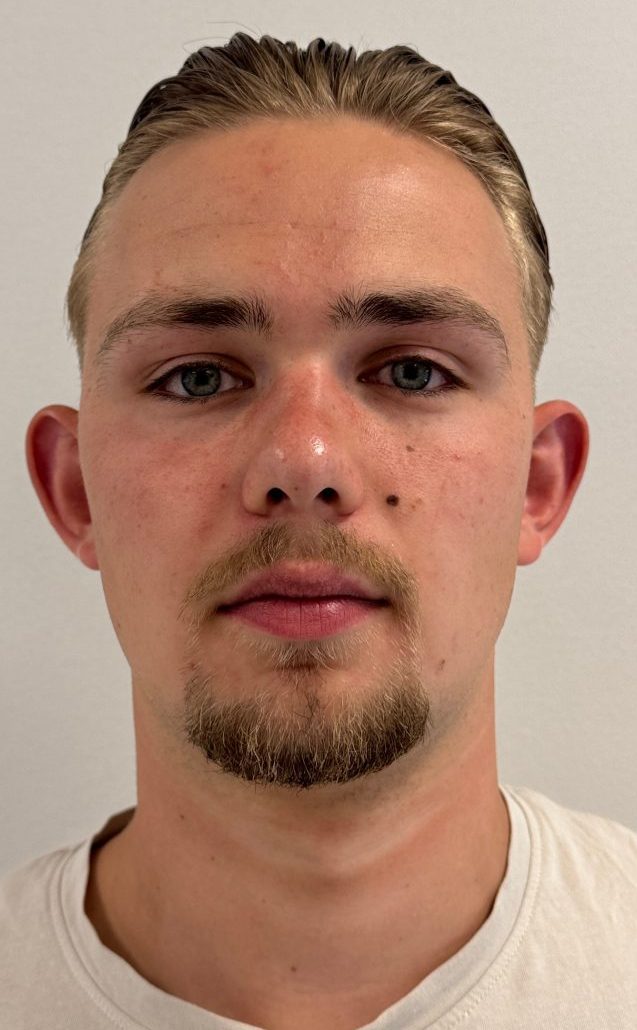
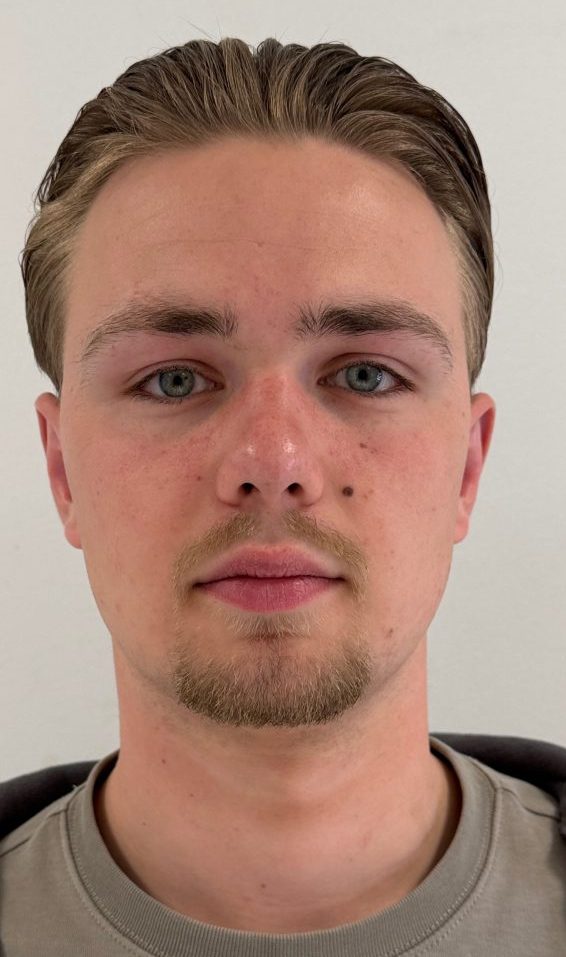
Real results from our patients who have undergone ear correction surgery

Take a look at the results of patients who chose to undergo ear correction and who were treated at our clinic before you. The before-and-after photos provide a realistic picture of what this treatment can achieve.
View all results

In the hands of our experienced specialists

Our team of plastic surgeons and ENT specialists combines years of experience with personalized care.
During a consultation, we take the time to discuss your wishes and provide honest advice about the options that are right for you.

Meet our teamIcons
Drs. R.A. Christiano

How much does ear correction surgery cost?

The exact price depends on the treatment that’s best for you. Because every body and every goal is different, we’ll develop a treatment plan during a personal consultation, including a clear, transparent price.

  • Standard ear correction – one ear
    Procedure under local anaesthesia
    €950
  • Standard ear correction – both ears
    Procedure under local anaesthesia
    €1,600
  • Extended ear correction – one ear
    Procedure under local anaesthesia
    €1,500
  • Extended ear correction – both ears
    Procedure under local anaesthesia
    €2,400

Plan a free consult with a specialist

Every body is different. During a free consultation, an experienced specialist will take the time to discuss your wishes and expectations in detail. You’ll receive personalised treatment advice, a clear explanation of the process and a transparent cost estimate.

You can also easily ask Bo, our AI medical assistant, any questions you may have.

example_image

Frequently Asked Questions

  • In an ear correction, also known as otoplasty, the shape, size and position of the ear are changed so that the ears are better in proportion to the rest of the face. The procedure is often used for protruding ears, or 'bat ears', which are the result of a congenital deformity of the cartilage framework of the auricle.

  • In a standard ear correction, the shape of the auricle is normal and the ear is only placed closer to the skull. In an extended ear correction, the shape of the auricle is abnormal, so additional steps are needed: work is then done on both the back and the front of the ear to correct the contour.
  • The surgeon tries to keep the scars as inconspicuous as possible; they are located behind the ear. They may be red and swollen at first, but this fades after a few weeks. A scar needs about one to one and a half years to settle completely.

  • Like the Dutch Society for Plastic Surgery, Boerhaave Medical Centre applies a minimum age of eighteen for an ear correction.

Related treatments

View treatments that are similar to this one and may meet your needs.