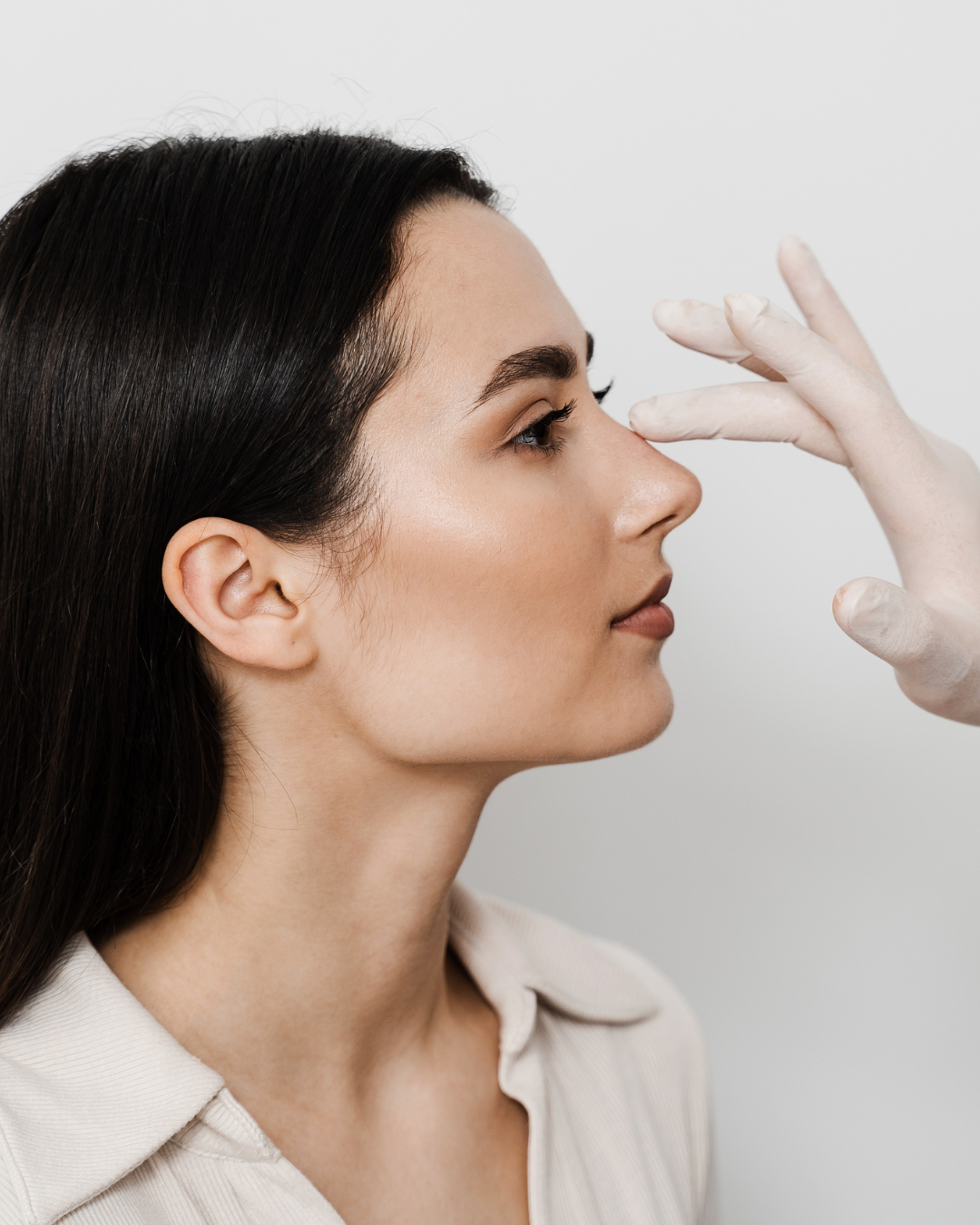
Rhinoplasty
Change the shape, size, or position of your nose and bring it into better balance with your face.
Good to know
- Anesthesia: Procedure under general anesthesia
- Duration: 1.5–3 hours
- Recovery: 10–14 days
- Price: starting at €4,500
About rhinoplasty
| Rhinoplasty can be used to adjust the shape, size, or position of your nose—for example, to correct a bump, a wide tip, or a crooked nose. Functional issues may also be a factor. At Boerhaave, you’ll discuss your preferences with the ENT specialist, and together you’ll determine which adjustments best suit your face while maintaining a result that looks as natural as possible. |
- A nose correction is available from €4,500. The final cost depends on the desired correction and the complexity of the treatment. During a free, no-obligation consultation, the ENT specialist will discuss your wishes and the options with you, and you will receive a transparent cost overview.
- Swelling is normal after a nose correction and gradually decreases in the first weeks. A large part of the swelling disappears relatively quickly, but it can persist for longer, especially around the tip of the nose. It can take a few months to a year before the nose has fully settled and the final result can be properly assessed.
- After the operation, you usually wear a nasal splint for about a week. Swelling and bruising around the nose and eyes may occur in the first period. Allow for about 10 to 14 days of recovery before you can largely resume your daily activities. After that, you gradually build up exercise and heavy physical exertion again in line with the advice of your ENT specialist.
- At Boerhaave, a nose correction is performed by experienced ENT specialists with attention to safety, quality and a natural result. You can count on personal guidance and extensive aftercare, so that you know where you stand throughout the entire treatment process.
Here's how the treatment works
Here you will find all the important information about this treatment, from the consultation and the treatment itself to follow-up care, the results, and potential risks.
At Boerhaave, we offer a variety of cosmetic nose surgeries. These include a full nose reduction, a nasal bridge correction, a nasal tip correction, or a nasal septum correction. Do you often suffer from a stuffy nose or chronic congestion on one or both sides? If so, a nasal septum correction—also known as a septoplasty—may offer a solution.
Some of the treatments listed above involve a simple procedure, in which only the tip or wings of the nose are narrowed. In other cases, the procedure is more complex and requires reducing the size of the entire nose or adjusting the angle between the tip of the nose and the upper lip.
These different types of corrections, their complexity, and the techniques used are therefore key factors in determining the final cost.
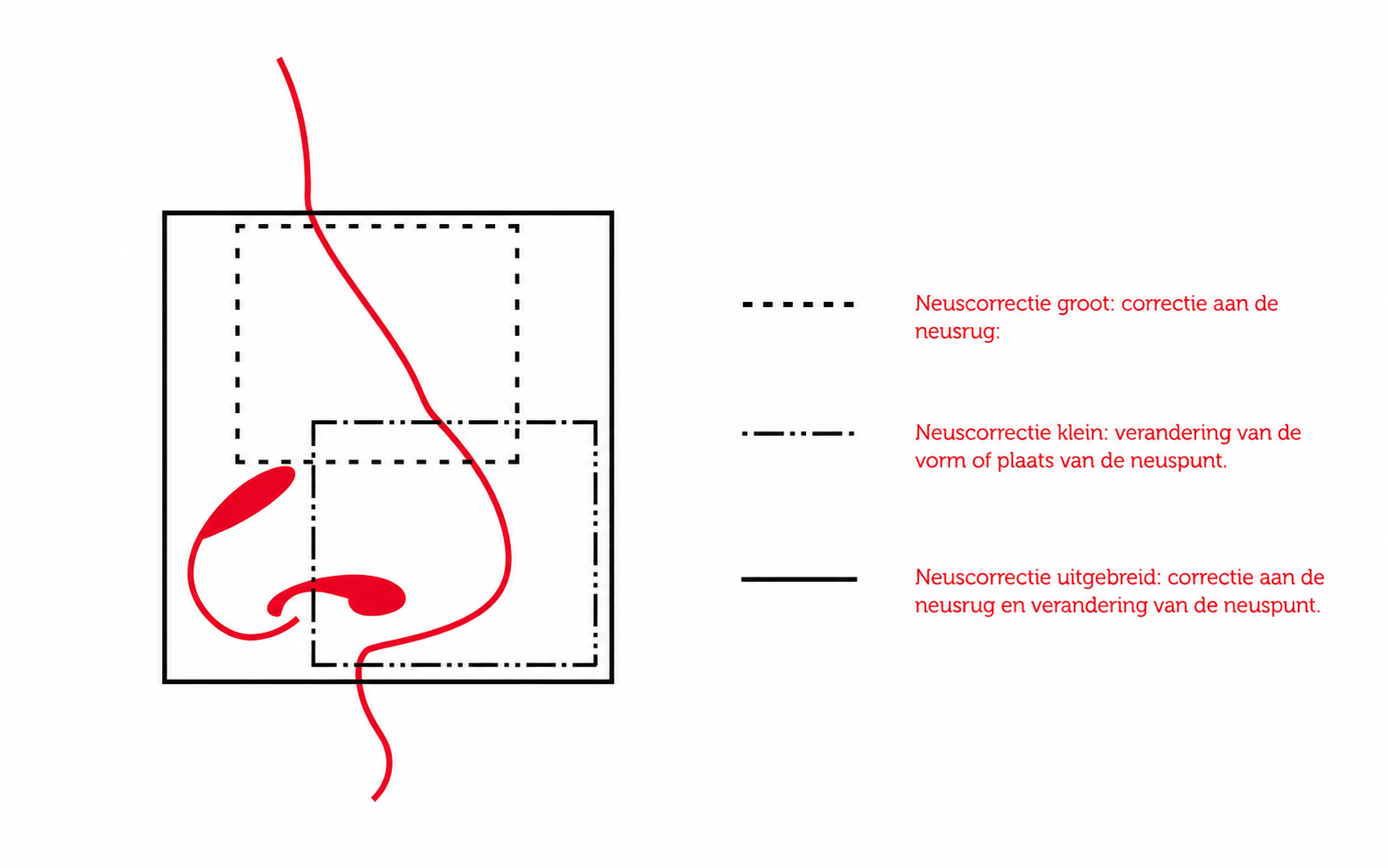
During a no-obligation consultation with our specialists, we can determine which type of treatment and technique is most suitable for you. Schedule your consultation here.
Most importantly, before you consider rhinoplasty and schedule an appointment, you must be at least eighteen years old, and the procedure must be something you personally desire—not something someone else wants for you.
Treating Physician
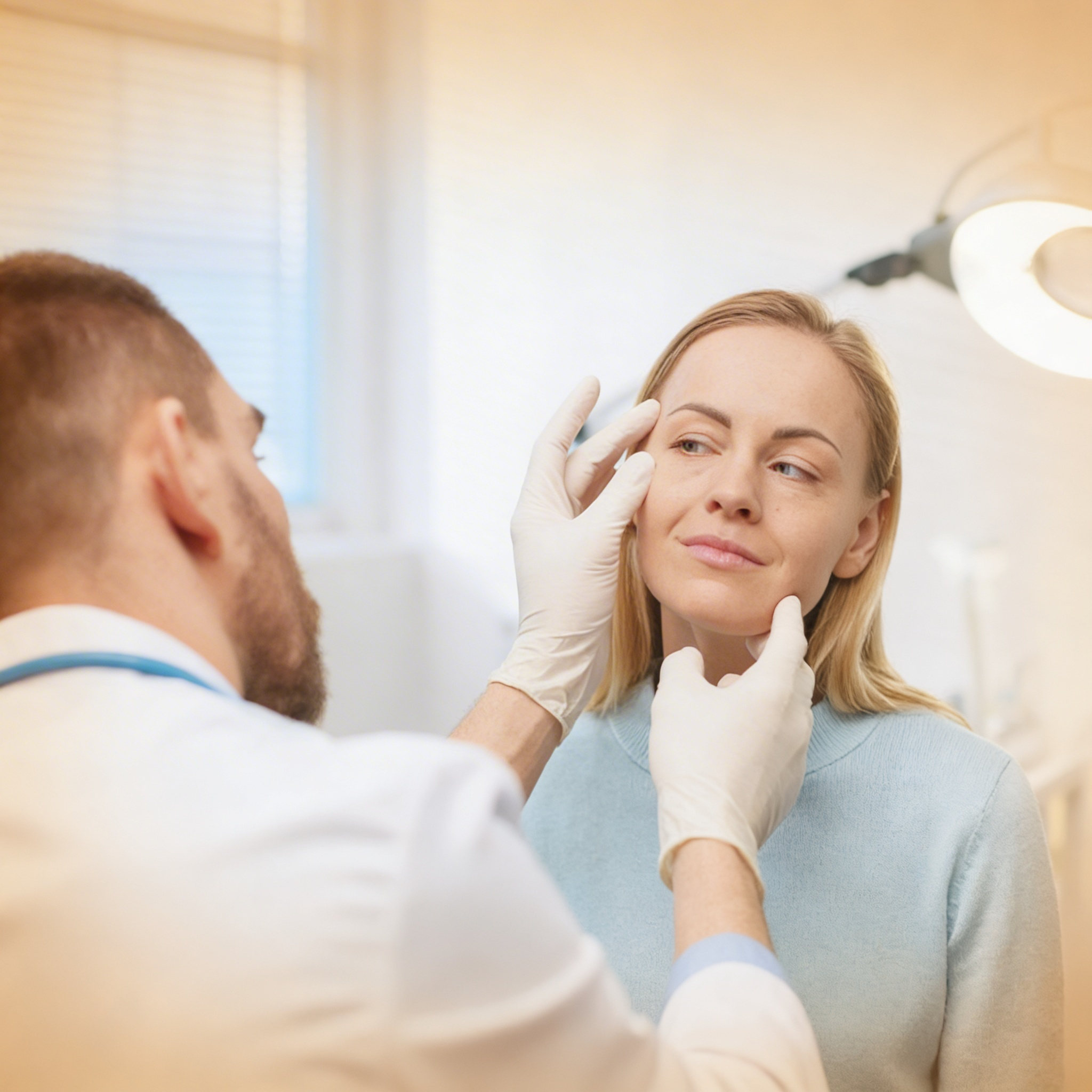
The consultation always takes place with the ENT specialist who will be treating you. During this consultation, you can explain what bothers you most about your nose and what you would like to change. Next, photos will be taken for your medical record, and your nose will be examined. The examination will include an assessment of the bony and cartilaginous structures, as well as the position of the nasal septum and the thickness of your skin. Your nose will also be examined in front of a mirror, and your preferences will be discussed.Afterward, the most appropriate surgery and technique will be discussed with you.
At the end, your consultation will be summarized in a treatment plan, and the costs will be discussed with you. Costs may vary and depend on your preferences, the type of rhinoplasty, and the doctor’s recommendation. Please note that the consultation will take approximately 30 minutes. The goal is to provide you with information that is as clear and comprehensive as possible.
3D Consultation
Because rhinoplasty often involves subtle corrections, it can be difficult to make a realistic assessment of the potential improvement in advance. That’s why at Boerhaave, you can have a 3D animation of your nose created before your consultation. You can do this at home by taking a few photos and running a simulation. During the consultation, you can discuss this, and the doctor can show you the possibilities. For more information, please visit our Crisalix information page.Consultant
Following your consultation, you’ll have a meeting with your consultant. The purpose of this meeting is to inform you about general matters that need to be arranged for your rhinoplasty. Read more about your consultation here .On the day of your surgery, you are expected to arrive at the Boerhaave Clinic half an hour in advance. The procedure itself will take approximately 90 to 150 minutes. Read here about how the day generally unfolds.
Before the surgery begins, the surgeon will go over the surgical procedure with you once more. After that, you will be put under anesthesia.
How are the various corrections performed?
Complete Rhinoplasty
For a total rhinoplasty, you can choose between a closed or open technique. With the closed technique, an incision is made on the inside of your nose (in the nasal mucosa). With the open technique, the incision is made in the skin between the nostrils.Next, depending on what is needed, the bony and/or cartilaginous nasal framework may be reworked. The nasal framework can then be adjusted so that the nose is once again in harmony with the rest of the face.
With this procedure, tampons may be placed in the nostrils after surgery, and a nasal splint will be applied to help your nose maintain its new shape.
Nasal Wing Correction
Are your nostrils too far apart or too round? A nostril correction can help with this. During this procedure, an incision is made at the bottom of the nostril or where the nostril meets the upper lip and cheek, allowing the nostril to be slightly repositioned or adjusted. Often, only a minimal adjustment is needed to see a difference.This procedure can be performed as a standalone procedure under local anesthesia or in combination with another nasal surgery.
Reconstruction Using Ear Cartilage
It may be necessary to repair or correct the nose using cartilage. In most cases, cartilage from the nose is reshaped and reused. However, there may not be enough cartilage available. In that case, it must be harvested from the ear. An incision is made on the front or back of your ear in a location where the scar will be inconspicuous. The cartilage is removed from the ear in such a way that its shape remains unchanged.Reconstruction with rib cartilage
In most cases, rhinoplasty uses cartilage from the nose to improve its shape and function. If this is not sufficient—as is the case, for example, with revision surgeries or saddle noses—it may be necessary to harvest a piece of rib cartilage. This is typically removed from your rib cage through an incision of approximately 2–4 cm that is hidden beneath the breast fold.Piezo System
Piezo (piezotome) rhinoplasty is a modern, sophisticated technique in which ultrasonic vibrations are used to shape or cut the nasal bone with extreme precision. Because this technology acts exclusively on the bone, while leaving soft tissues, mucous membranes, cartilage, and blood vessels untouched, the procedure is safe and controlled. The result: less swelling, pain, and bruising; a faster recovery; and a natural-looking result.After the surgery, you will remain at the clinic for a short while. You may go home once the medical team deems it safe to do so.
Recovery After Rhinoplasty
After rhinoplasty, you will experience a bruised sensation in your face. The treated area will initially be blue, tender, and swollen. You may also experience headaches during the first week. For the first three days after the procedure, the swelling and bruising will worsen before gradually subsiding. The bruises may be visible all the way up to your eyes, but these will also gradually fade after a few days.Based on patients’ experiences, we know that (when used) the nasal packing is often considered the most uncomfortable part of the recovery process. In addition, your sense of smell may be temporarily lost. Please do not worry about this; it will return after a few days.
The final result can only be properly assessed after one year, by which time the swelling on and around the nose will have completely subsided. In most cases, the result will last for the rest of your life.
Cooling Goggles
After the procedure, we’ll provide you with special cooling glasses to take home so you can keep the area well-cooled. Be sure to follow the instructions for use provided by the nurse.Scars
Scars from a rhinoplasty are generally barely visible. The incision site is carefully chosen specifically to make the scar less noticeable. We’ll provide you with a scar care cream at your first follow-up visit. Once the wound has closed and the scabs have fallen off, you may begin applying the cream. Applying it to the wound twice a day will improve the chances of a smooth healing process.Any surgical procedure can involve risks and complications. However, plastic surgery generally involves healthy individuals. As a result, the risks are minimal. In addition, we minimize these risks to an absolute minimum through thorough patient education, a comprehensive medical history, and our professional approach. You can also help reduce certain risks by carefully following the instructions you received beforehand.
Some possible complications may include:
- Hematoma (a collection of blood under the skin that requires removal)
- Postoperative bleeding
- Infection
- Changes in sensation in the nose
- Permanent visible scars
- Damage to underlying structures
- Unsatisfactory aesthetic result
Some possible complications of rhinoplasty may include:
- Nasal obstruction (difficulty breathing through the nose) due to swelling in the nose
- Damage to the nasal septum
Is smoking a problem?
If you smoke or use tobacco or nicotine products at the time of surgery, you have a higher risk of complications. Some possible complications include skin necrosis and impaired wound healing. In addition, it can have a negative effect on anesthesia, potentially leading to an increased risk of bleeding.If you are exposed to secondhand smoke, you may be at an increased risk of similar complications. People who do not smoke and are not exposed to secondhand smoke have a significantly lower risk of complications.
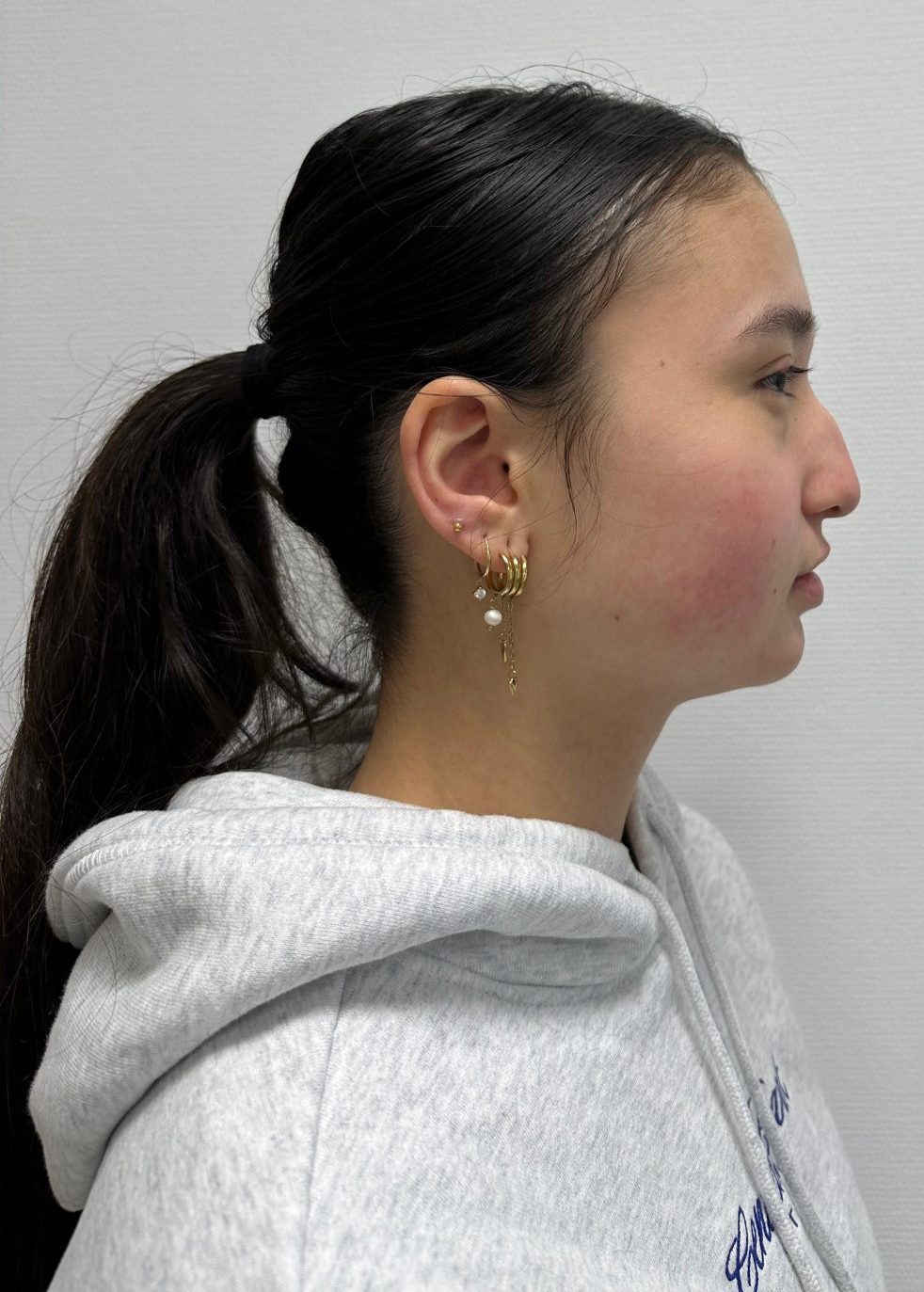
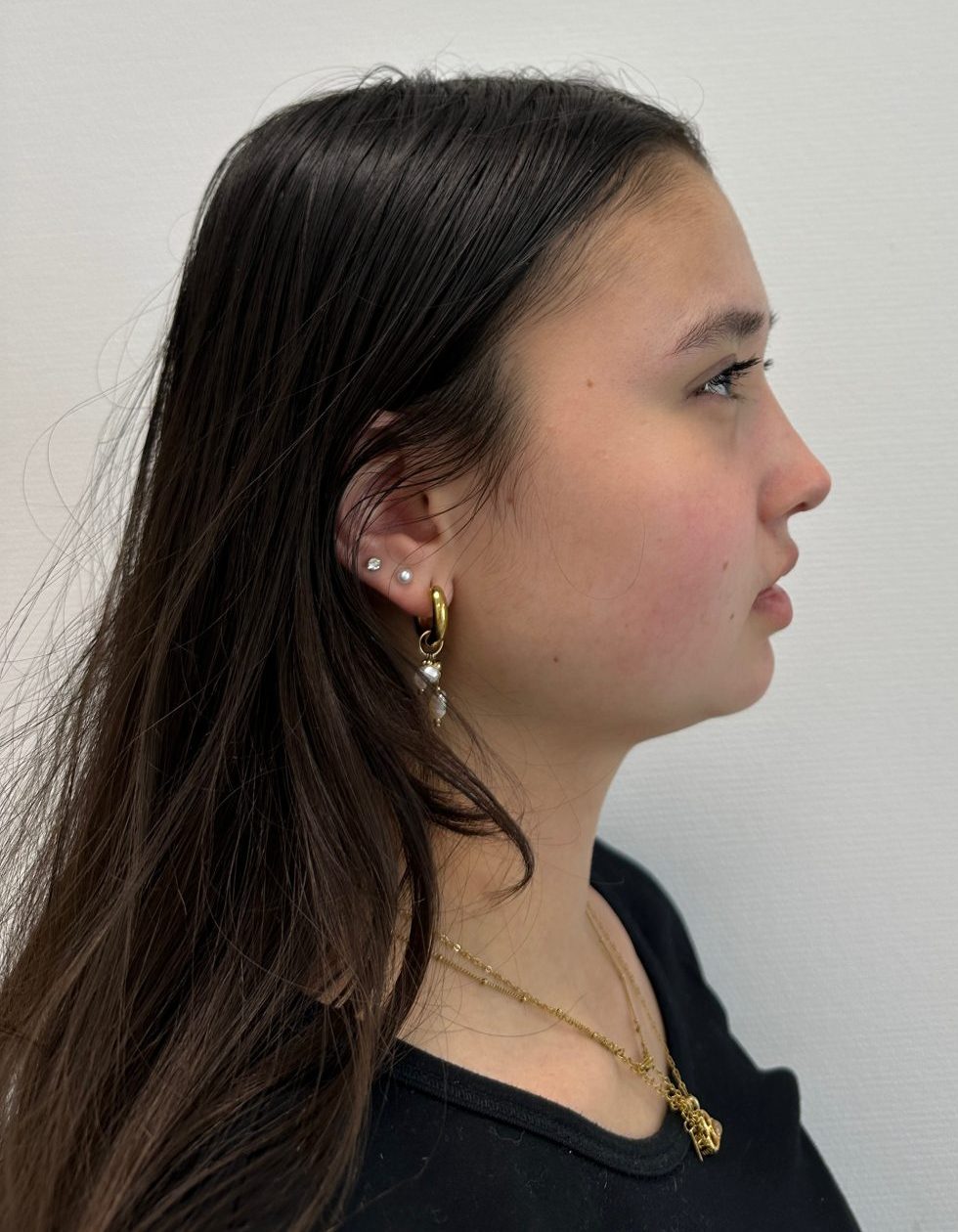
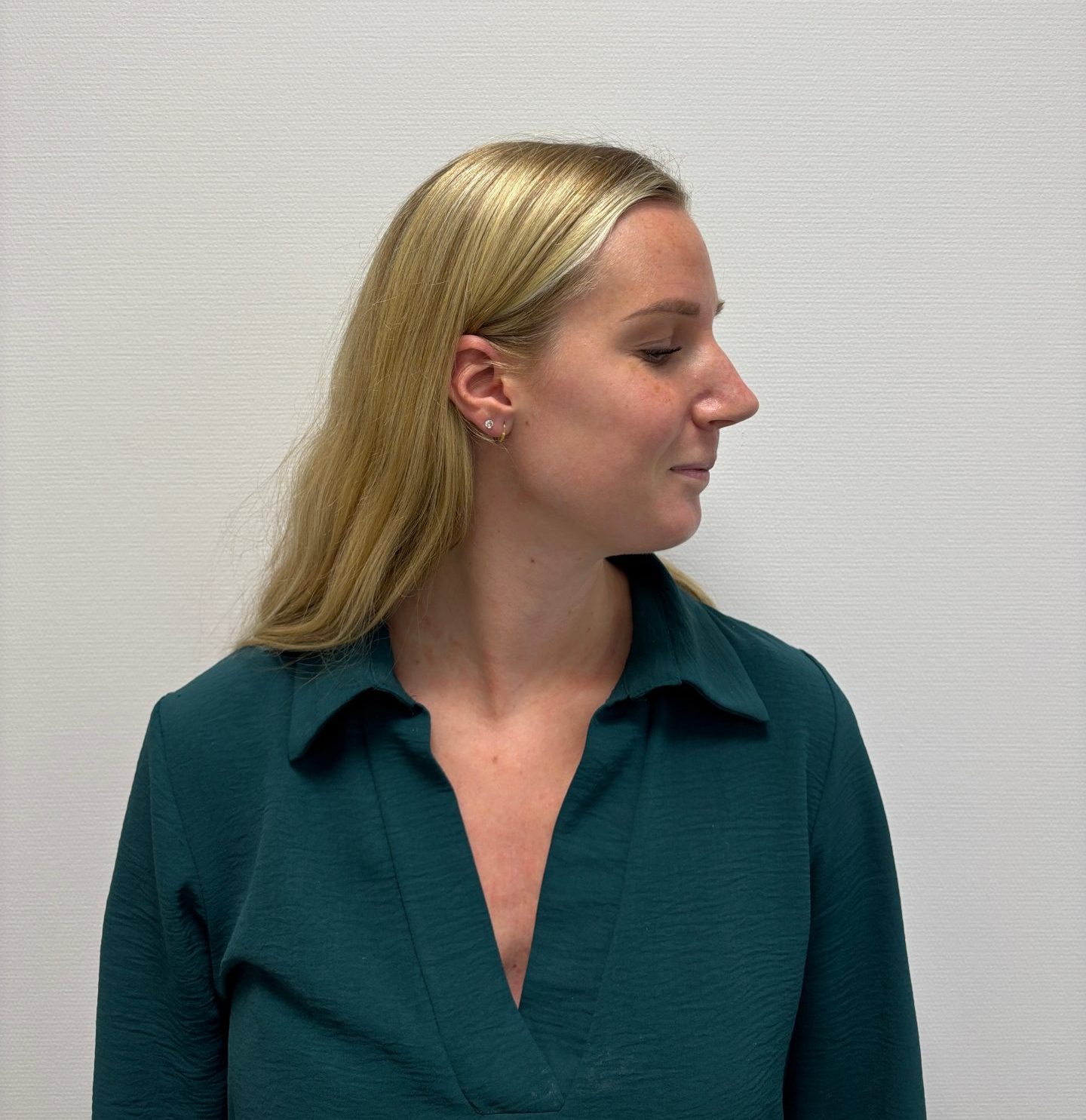
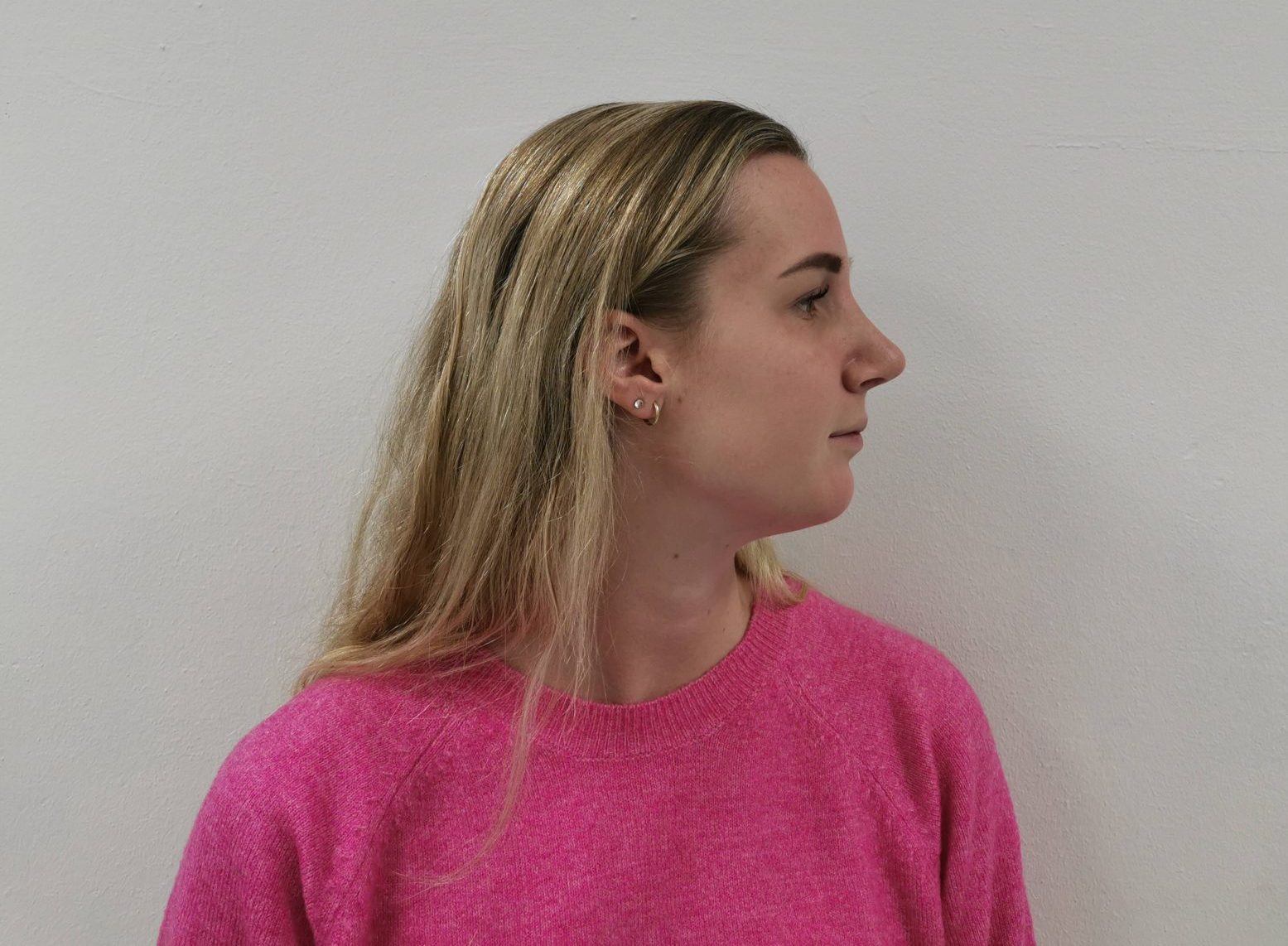
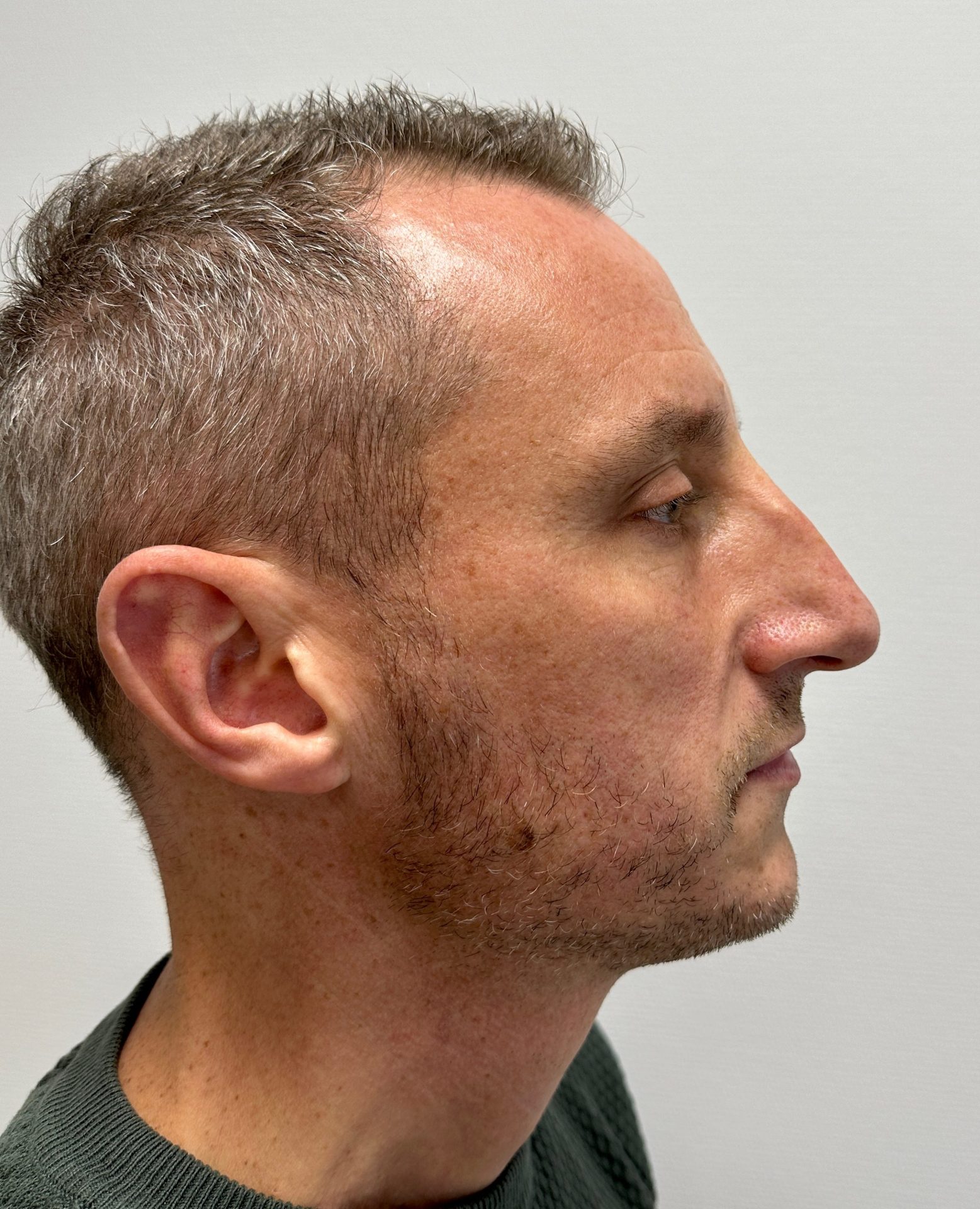
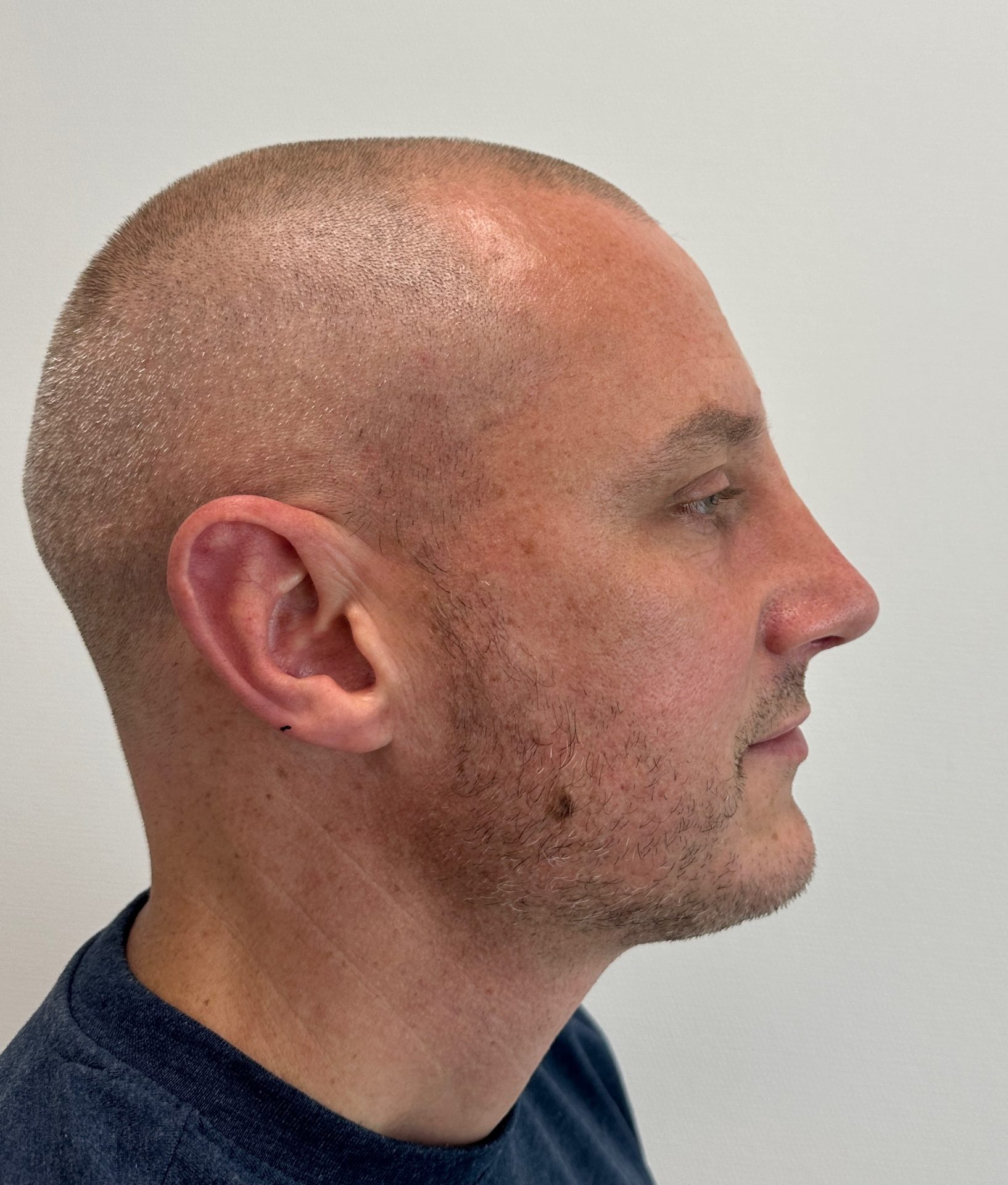
Real results from our patients who chose to have rhinoplasty
Take a look at the results of rhinoplasty procedures performed on patients who have been treated at our clinic before you. The before-and-after photos provide a realistic picture of what this treatment can achieve.
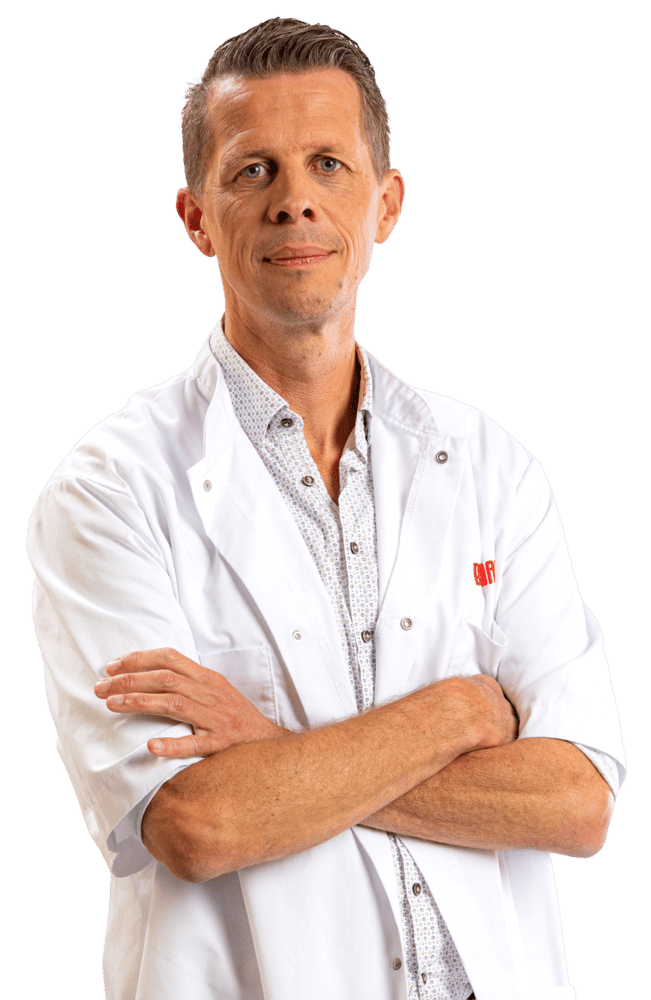
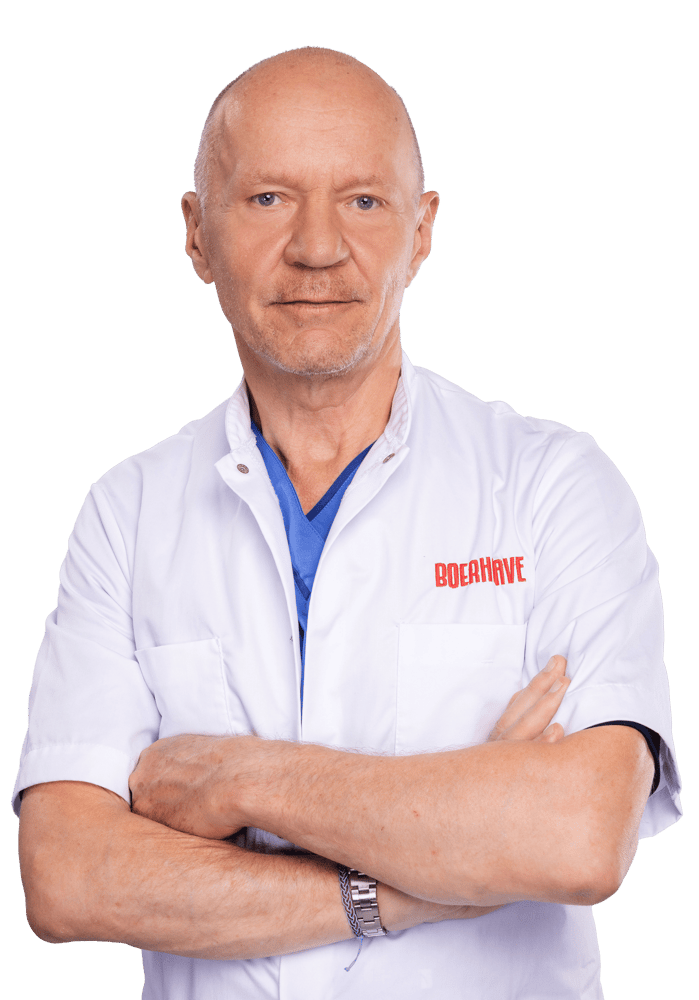
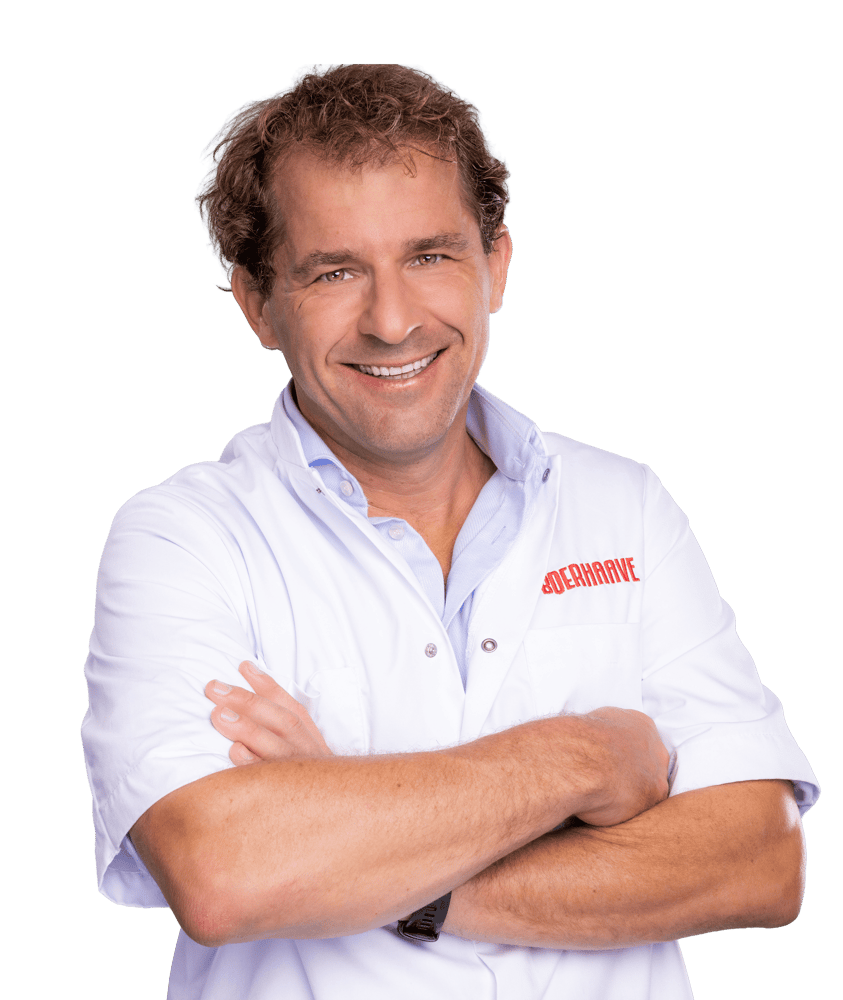
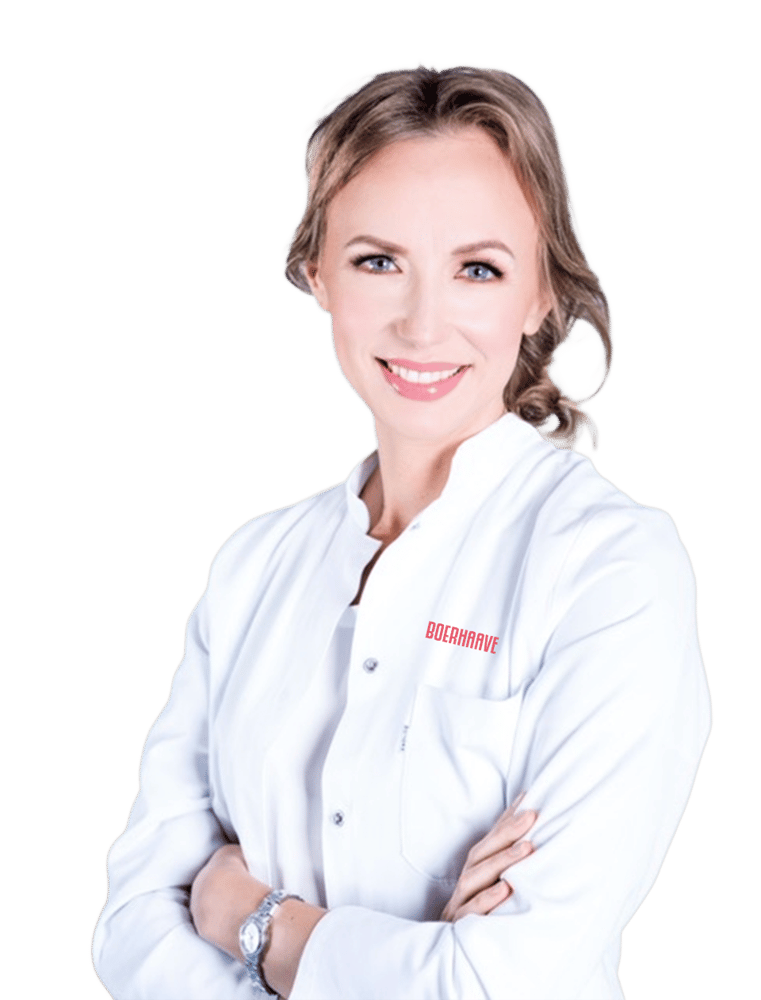
In the hands of our experienced specialists
Our team of plastic surgeons and ENT specialists combines years of experience with personalized care.
During a consultation, we take the time to discuss your wishes and provide honest advice about the options that are right for you.

Our patients experiences
Every patient has their own story. Read about their experiences with their treatment at Boerhaave.
Plan a free consult with a specialist
Every body is different. During a free consultation, an experienced specialist will take the time to discuss your wishes and expectations in detail. You’ll receive personalised treatment advice, a clear explanation of the process and a transparent cost estimate.
You can also easily ask Bo, our AI medical assistant, any questions you may have.
Related treatments
View treatments that are similar to this one and may meet your needs.