Gynecomastia
Reduce unwanted breast development in men and improve the proportion of the chest relative to the rest of your body.
Good to know
- Anesthesia: Local anesthesia or general anesthesia
- Duration: 1–2 hours
- Recovery: 7–14 days
- Price: Starting at €1,600
About breast reduction for men
| Gynecomastia is the development of breast tissue in men and can result from excess glandular tissue, fatty tissue, or a combination of both. If the breast tissue does not disappear on its own and you find it bothersome, breast reduction surgery may be a solution. At Boerhaave, the plastic surgeon will work with you to determine which treatment method best suits your situation and preferences. |
- Gynaecomastia treatment is available from €1,600. The final costs depend on the chosen treatment method, such as liposuction, removal of glandular tissue or a combination of these. During a free, no-obligation consultation, the plastic surgeon discusses your situation and the options, and you receive a transparent cost overview.
- You cannot always get rid of gynaecomastia through exercise. When the breast development consists mainly of glandular tissue, exercise and weight loss have little effect on it. With excess fatty tissue, weight loss can make a difference. During the consultation, the plastic surgeon examines what is causing the breast development and which treatment is most suitable.
- Recovery depends on the treatment method chosen. In general, recovery takes 7 to 14 days. Swelling and bruising are normal in the initial period and gradually subside. After the operation, you wear compression garments for six weeks. Intensive sport, heavy lifting and heavy physical work are not recommended during this period.
- At Boerhaave, gynaecomastia treatment is performed by experienced plastic surgeons with an eye for safety, quality and a natural result. You can count on personal guidance and extensive aftercare, so that you know where you stand throughout the entire treatment process.
Here's how the treatment works
Here you will find all the important information about this treatment, from the consultation and the treatment itself to follow-up care, the results, and potential risks.
Gynecomastia is a common condition and can occur on one side or both sides. In many cases, it is caused by excess glandular tissue, which may result from elevated estrogen production. It can also be caused by fatty tissue or a combination of fatty and glandular tissue.
The cause of gynecomastia will determine whether the procedure is performed using liposuction or through an incision. Read on for more information about how the procedure works.
Plastic Surgeon
At Boerhaave, your consultation always takes place with the plastic surgeon who will be treating you. During this consultation, you can explain what bothers you most about your breasts and what you would like to change. In addition, photos will be taken, your breasts will be examined, and the surgical technique most suitable for you will be recommended.In front of the mirror, the surgeon will explain what the chosen technique entails and what you can expect in terms of the final result. The recovery period and any potential risks and complications will also be discussed with you. This will allow you to make a well-informed decision.
At the end, your consultation will be summarized in a treatment plan, and the total costs will be discussed with you immediately. The entire process will take approximately 45 minutes.
Consultant
Following your consultation, you’ll also have a meeting with your consultant. During this meeting, you’ll be informed about the general procedures that need to be arranged regarding your gynecomastia.Would you like to read more about your first consultation? Click here for more information on what to expect.
Gynecomastia surgery can be performed under local anesthesia or general anesthesia. If the procedure is performed under local anesthesia, you will receive a few small injections in the area to be treated. This numbs the areas where the incisions will be made. If you undergo general anesthesia, you will receive an IV in your arm through which the anesthetic is administered. Any fluid loss resulting from fasting is also compensated for via the IV.
Once you are feeling well again after the procedure and are able to drink, the IV will be removed. During the surgery itself, the anesthesiologist will constantly monitor and keep an eye on your pulse, heart rhythm, and breathing.
What does the surgery involve?
If you have excess glandular tissue, an incision will be made at the base of your areola. Through this small incision, the glandular tissue is separated from the skin and muscle. The glandular tissue can then be easily removed, leaving a small amount behind to prevent the nipple from becoming indented.It is also possible to perform the surgery through the armpit; this way, you will not have any visible scars around your nipple and/or areola after the surgery.
If your gynecomastia is caused by fatty tissue, the liposuction method is used. Once the plastic surgeon is satisfied with the correction, the incisions are closed with small dissolvable sutures. The skin is then covered with a wound dressing.
Recovery depends on the type of gynecomastia procedure performed—whether by liposuction or incisions. In general, you will need seven to fourteen days to recover from the procedure. During these first few days, you may notice swelling and bruising, which will subside after a week. In total, it may take several weeks for all the swelling to begin to subside.
It is also important that you wear the compression garment we provide for the first six weeks. In addition, you should avoid intense exercise, heavy lifting, and strenuous work.
Significant results can be achieved with gynecomastia surgery. However, you won’t see the results immediately after the procedure. This is because your skin will be swollen and tight, so the effects of the treatment won’t be visible yet. It takes time for the skin to tighten and adapt to your new body shape. After a few weeks, the swelling will subside and the fluid will be gone.
Because the skin needs time to tighten up, it’s not possible to assess whether the procedure was successful until three months have passed. The final result will be clearly visible one year after treatment. Only then will the body be fully healed.
Scars
The plastic surgeon will do everything possible to ensure the scars are barely visible. The scars are also small, averaging half a centimeter. If glandular tissue is removed, the scar will be approximately half the circumference of the nipple.After the surgery, the scars will be red and swollen, but this will subside after a few weeks. By then, the scars will be barely visible.
It’s good to know that a scar takes one to one and a half years to fully heal. That’s why it’s important to apply the scar cream we’ll give you during your first consultation generously to the scars. It’s also important to keep them out of the sun. In addition, always use SPF 50 sunscreen during the first year to protect your skin.
Any surgical procedure can involve risks and complications. In plastic surgery, the risks and likelihood of complications are low, since the patients are generally healthy individuals. Through thorough patient education, a comprehensive medical history, and our professional approach, we minimize these risks to an absolute minimum. In addition, you can help reduce certain risks by carefully following the instructions you received prior to your surgery.
Possible complications may include:
- Hematoma (a collection of blood under the skin that requires removal)
- Adverse reaction to the anesthesia
- Postoperative bleeding
- Infection
- Changes in sensation
- Permanent scarring
- Damage to underlying structures
- Unsatisfactory aesthetic result
Smoking
If you smoke or use tobacco or nicotine products at the time of surgery, you have a higher risk of complications, such as skin necrosis and impaired wound healing. It can also have a negative effect on anesthesia, potentially resulting in an increased risk of bleeding. It is therefore important to stop smoking at least four weeks before surgery and to continue abstaining throughout the entire recovery process.People exposed to secondhand smoke may also be at an increased risk of similar complications. People who are not exposed to tobacco smoke or nicotine-containing products have a significantly lower risk of such complications.
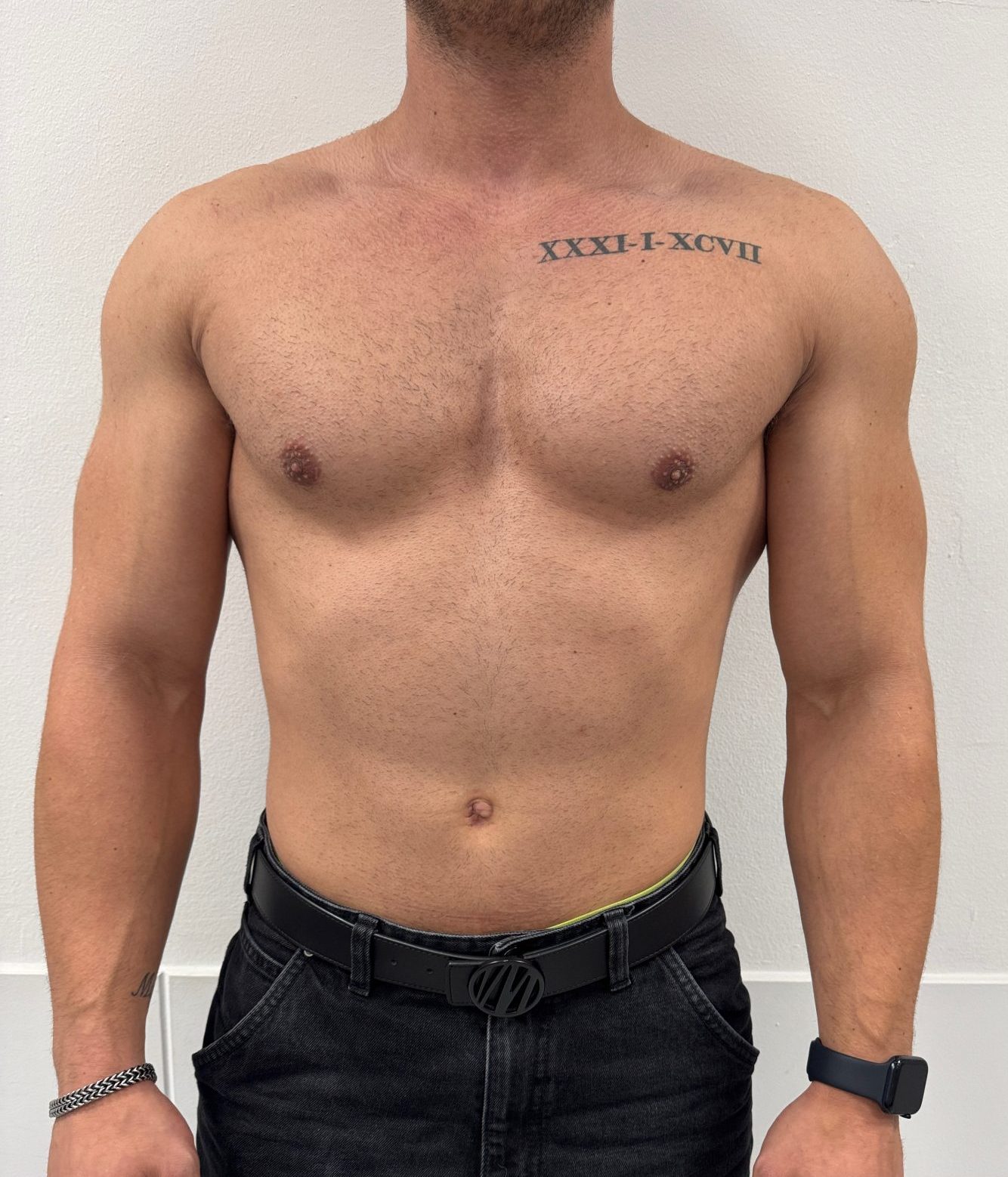
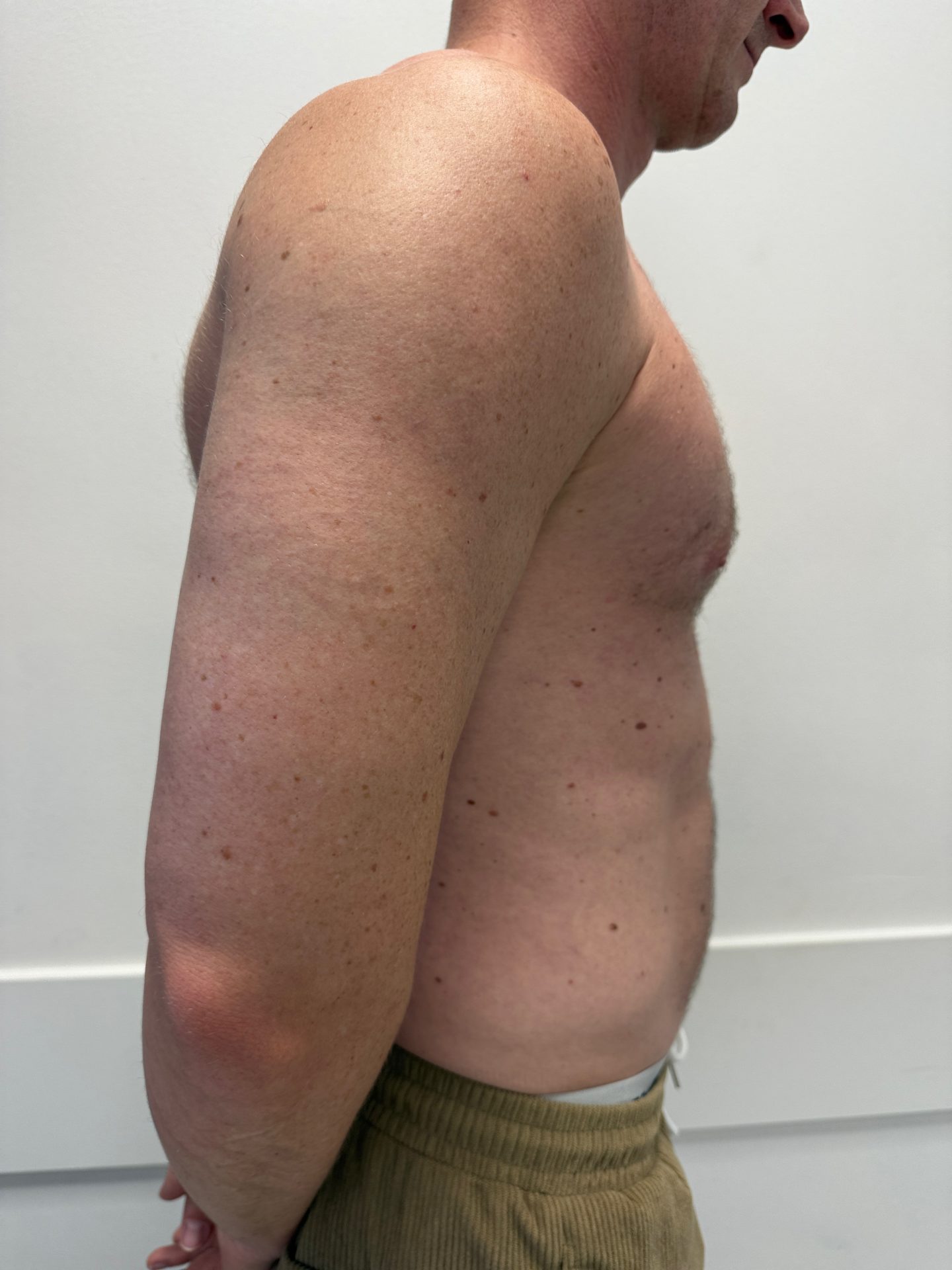
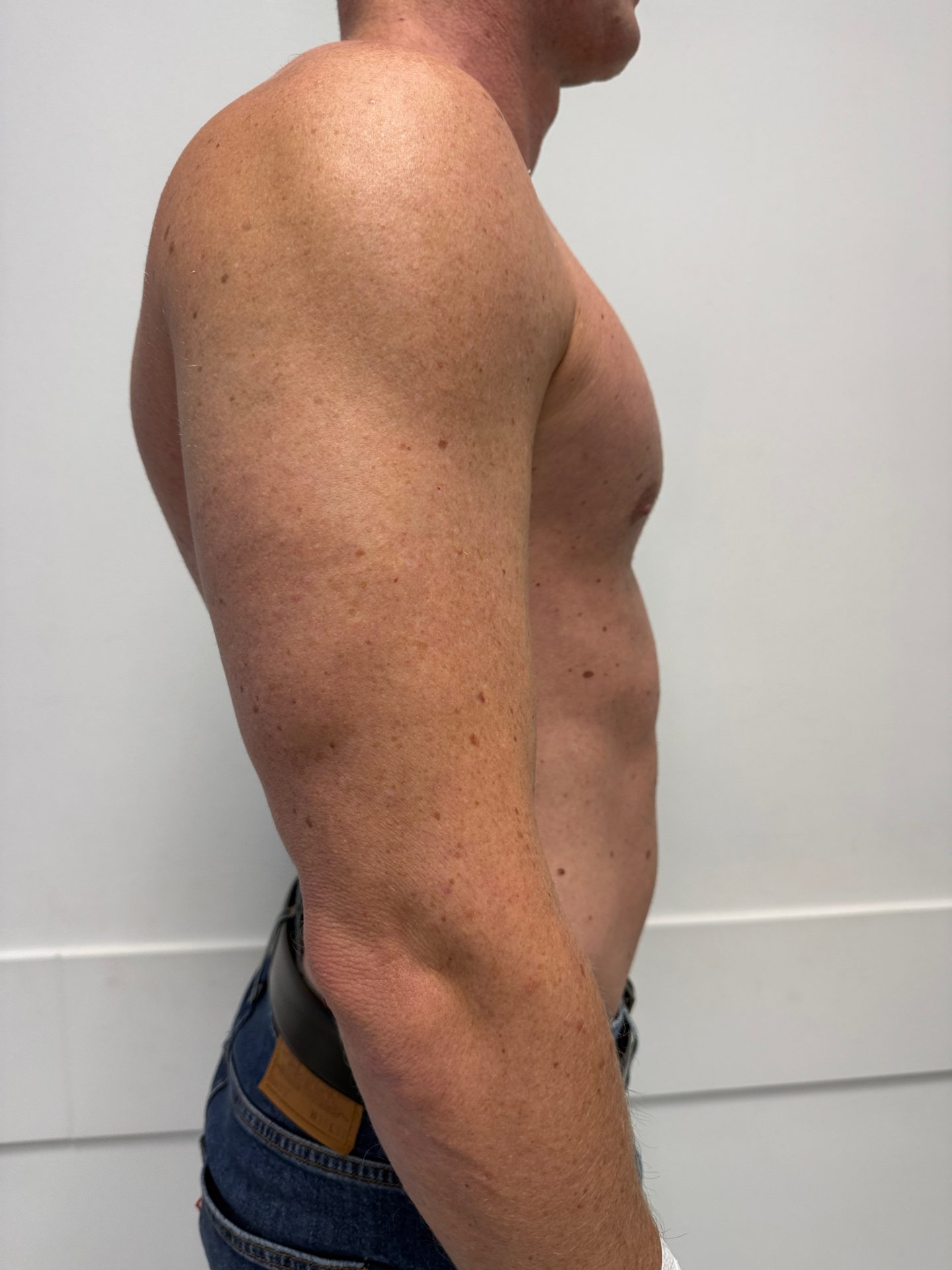
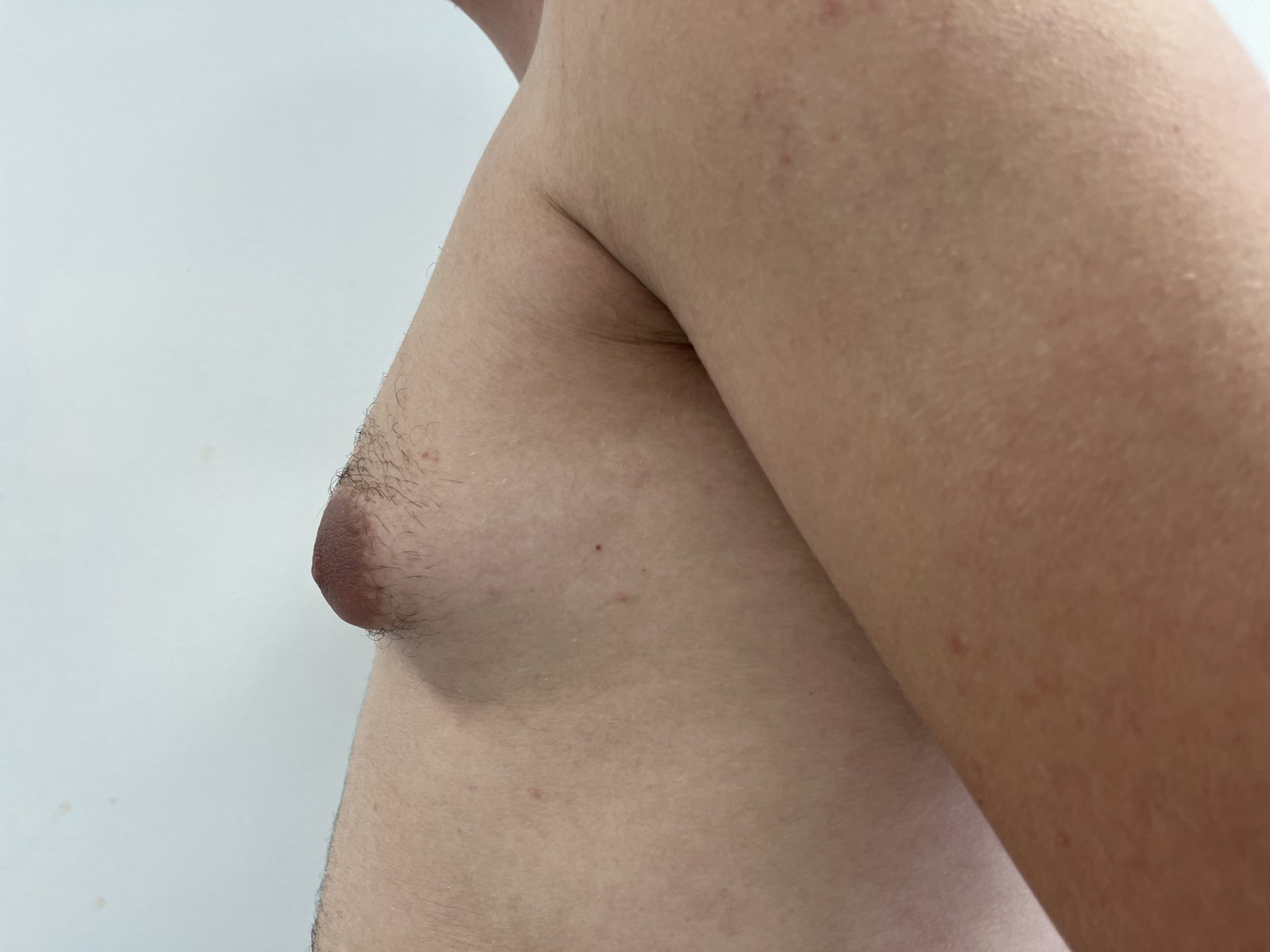
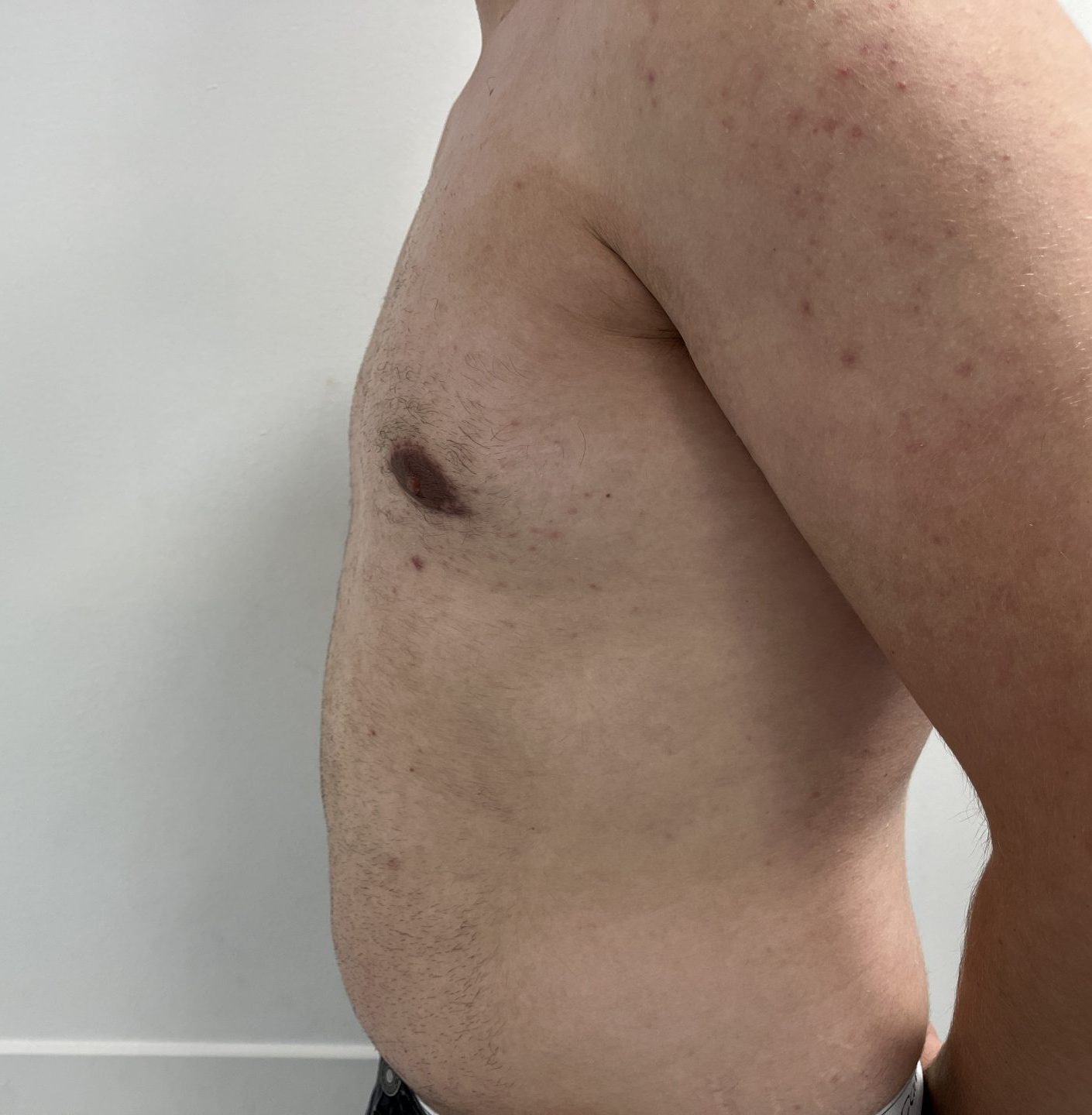
Gynecomastia results from real patients
Take a look at the gynecomastia results from patients who have undergone the procedure at our clinic before you. The before-and-after photos provide a realistic picture of what this treatment can achieve.
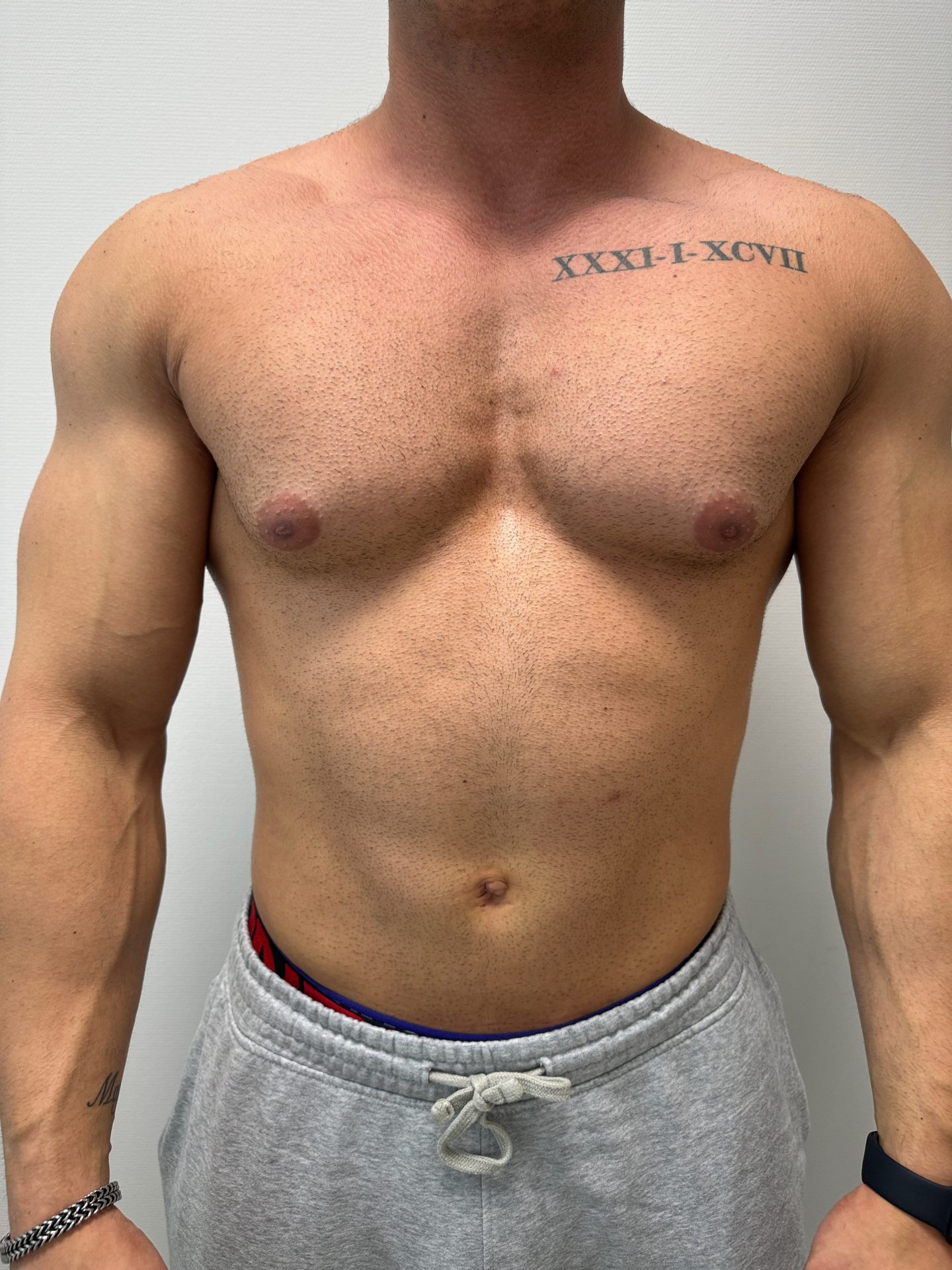
In the hands of our experienced specialists
Our team of plastic surgeons combines years of experience with personalized care.
During a consultation, we take the time to discuss your wishes and provide honest advice about the options that are right for you.








%20-%2012-08-2026%2016-09-34-2.png?height=1000&name=Dokter+Koeijers-117+(1)+-+12-08-2026+16-09-34-2.png)


%20-%2012-08-2026%2016-09-34-2.png?height=1000&name=Dokter+Koeijers-117+(1)+-+12-08-2026+16-09-34-2.png)


%20-%2012-08-2026%2016-09-34-2.png?height=1000&name=Dokter+Koeijers-117+(1)+-+12-08-2026+16-09-34-2.png)


How much does gynecomastia surgery cost?
The exact price depends on the treatment that’s best for you. Because every body and every goal is different, we’ll develop a treatment plan during a personal consultation, including a clear, transparent price.
Gynecomastia – liposuction
Procedure under local anaesthesia€1,600Gynecomastia – gland removal
Procedure under general anaesthesia€2,500Gynecomastia – gland removal and liposuction
Procedure under general anaesthesia€3,400Gynecomastia – gland removal, liposuction and skin reduction
Procedure under general anaesthesia€4,300Surcharge for transaxillary surgery
Procedure under general anaesthesia€2,000
Our patients experiences
Every patient has their own story. Read about their experiences with their care at Boerhaave.
Plan a free consult with a specialist
Every body is different. During a free consultation, an experienced specialist will take the time to discuss your wishes and expectations in detail. You’ll receive personalised treatment advice, a clear explanation of the process and a transparent cost estimate.
You can also easily ask Bo, our AI medical assistant, any questions you may have.
Frequently Asked Questions
Gynaecomastia is the medical term for breast development in men. This can have various causes, such as a change in hormone production, an accumulation of fatty tissue, a side effect of medication or a reaction to metabolic changes. In many cases, however, it is difficult to identify a clear cause.
- Although a healthy lifestyle is highly recommended, exercise or dieting will have no effect on gynaecomastia. So you cannot train gynaecomastia away. Because the excess tissue in gynaecomastia lies on the chest muscle, training this muscle will push the tissue out even further, and in some cases this will make the fat or glandular tissue even more visible. Treatment by means of gland removal, liposuction or a combination of both is the best solution in this case.
This depends on the cause: with excess glandular tissue, an incision is made at the lower edge of the areola, whereas with excess fatty tissue liposuction is used. A combination of both techniques is often needed, possibly supplemented with skin reduction.
Yes, compression garments are an important part of your aftercare. The right compression helps to reduce swelling after the operation. For this, we use VOE compression garments, specially designed for comfort during recovery. After about two weeks, the pressure may decrease as the swelling goes down; it is then advisable to order a size smaller as soon as the garments are no longer tight enough.
Other treatments
Check out other treatments that are popular among men.